Accessible Travel in 2026: 6 US Planning Tips
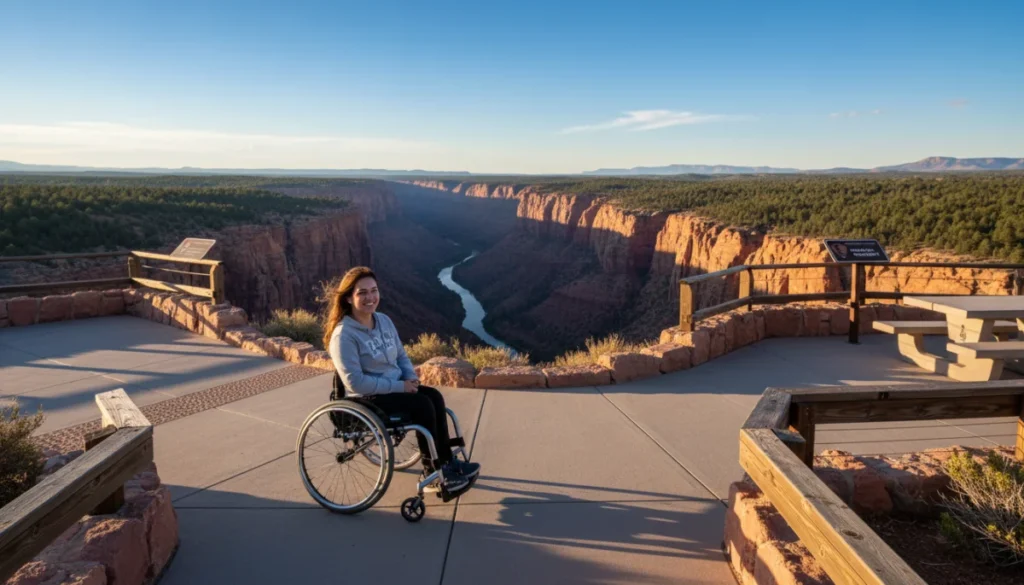
Planning for accessible travel in the US by 2026 involves meticulous research into destinations, transportation, and accommodations to ensure a seamless and inclusive experience for individuals with disabilities.
Embarking on a journey should be an enriching experience for everyone, and that includes ensuring accessibility for all travelers. For those planning their adventures, understanding the nuances of accessible travel planning US in 2026 is crucial. This guide provides six essential tips to help you navigate and enjoy the diverse landscapes and vibrant cities the United States has to offer.
Understanding Accessibility Standards and Resources
Before diving into specific destinations, it’s vital to grasp the current accessibility standards and available resources. The Americans with Disabilities Act (ADA) sets benchmarks for public accommodations, but practical application can vary. Familiarizing yourself with these guidelines and leveraging dedicated accessibility travel resources will be your first step towards a successful trip.
Many organizations and government bodies offer invaluable information. Websites like the National Park Service, for instance, provide detailed accessibility information for their sites, often including trail conditions, restroom facilities, and parking availability. Similarly, state tourism boards frequently highlight accessible attractions and services within their regions.
Key Accessibility Standards
- ADA Compliance: Ensure hotels, restaurants, and attractions explicitly state their ADA compliance.
- Transportation Accessibility: Research accessible public transport options, including buses, trains, and paratransit services.
- Website Information: Prioritize businesses with clear, detailed accessibility information on their websites.
Understanding these standards helps you identify truly accessible options versus those that merely claim compliance. Always look for specific details rather than general statements. A hotel stating ‘ADA compliant’ might still have limitations that could impact your stay, so delve deeper into their offerings.
The landscape of accessible travel is continually evolving, with new technologies and services emerging. Staying informed about these developments can significantly enhance your travel experience. Online communities and forums dedicated to accessible travel are excellent places to find up-to-date information and personal recommendations.
Researching Accessible Accommodations
Finding suitable accommodation is often one of the most critical aspects of accessible travel. It goes beyond simply booking a room; it involves ensuring that the entire facility meets your specific needs. In 2026, many hotels are actively improving their accessibility features, but thorough research remains indispensable.
When searching for hotels, look for detailed descriptions of accessible rooms. This includes information about roll-in showers, grab bars, wider doorways, and clear floor space. Don’t hesitate to call the hotel directly and speak with staff about your requirements. Visual confirmation, if possible, through photos or virtual tours, can also be very helpful.
Questions to Ask Hotels
- Room Features: Does the room have a roll-in shower, grab bars, and accessible toilet? What is the bed height?
- Common Areas: Are the lobby, dining areas, pool, and fitness center accessible? Are there ramps or elevators where needed?
- Emergency Procedures: What are the emergency evacuation procedures for guests with disabilities?
Beyond traditional hotels, consider vacation rentals through platforms like Airbnb or Vrbo. While these can offer more personalized options, verifying accessibility can be more challenging. Always communicate directly with the host and request photos or videos to confirm the setup meets your needs. Look for hosts who are knowledgeable and responsive to accessibility inquiries.
Remember that accessibility is not a one-size-fits-all concept. What works for one person may not work for another. Be specific about your needs and don’t assume anything. A little extra effort in the planning stage can prevent significant inconveniences during your trip.

Planning Accessible Transportation
Transportation is a cornerstone of any travel plan, and for accessible travel, it requires particular attention. Whether you’re flying, driving, or using public transport, ensuring accessibility from point A to point B is paramount. The options available in the US vary significantly by region and mode of transport.
When flying, contact your airline in advance to arrange for assistance, such as wheelchair services or accessible seating. Be clear about your equipment, especially if you’re traveling with a power wheelchair, as there are specific procedures for handling these. Arriving early at the airport can also help alleviate stress and allow for smoother transitions.
Ground Transportation Options
- Accessible Taxis/Ride-Shares: In major cities, look for services like Wheelchair Accessible Vehicles (WAVs) through traditional taxi companies or ride-sharing apps.
- Rental Cars: Companies like Enterprise and Hertz offer hand-controlled vehicles or vans with ramps/lifts, but these must be booked well in advance.
- Public Transit: Many cities have accessible bus and train systems, often with detailed route information online.
For longer distances, Amtrak offers accessible train travel, including accessible seating, restrooms, and assistance with boarding. Greyhound also provides accessible bus services, but similar to airlines, it’s crucial to notify them of your needs when booking.
Driving your own accessible vehicle or renting one can offer the most flexibility. Map out your routes considering rest stops, accessible gas stations, and potential charging stations for electric vehicles. Planning for unexpected delays and having backup plans is always a good strategy for any traveler, especially for those with specific accessibility needs.
Identifying Accessible Activities and Attractions
The true joy of travel lies in experiencing new things, and the US offers an incredible array of accessible activities. From national parks to urban museums, many attractions are making strides to be more inclusive. The key is to identify these ahead of time to ensure a fulfilling and frustration-free experience.
National Parks, for example, have made significant efforts to provide accessible trails, visitor centers, and programs. Websites often detail specific accessible features, including trail surfaces, gradients, and available assistance. Similarly, many museums and cultural institutions offer accessible entrances, elevators, and sometimes even sensory-friendly programs.
Examples of Accessible Attractions
- National Parks: Grand Canyon, Yellowstone, Zion offer accessible viewpoints and trails.
- Museums: Smithsonian museums in Washington D.C. are largely accessible, as are many major art museums in cities like New York and Chicago.
- Theme Parks: Disney World and Universal Studios have comprehensive accessibility guides and services.
Beyond the well-known attractions, explore local tourism websites for smaller, community-based accessible events or venues. Many cities host accessible festivals, concerts, or markets that can provide unique cultural experiences. Don’t be afraid to reach out to local disability organizations for recommendations; they often have insider knowledge.
When planning activities, consider the duration and intensity. Factor in rest periods and ensure there are accessible restrooms along your route. Always check the official websites or call ahead to confirm current accessibility conditions, as these can change due to maintenance or seasonal variations.
Leveraging Technology for Accessible Travel
In 2026, technology plays an increasingly pivotal role in enhancing accessible travel. From specialized apps to smart devices, various tools can simplify planning and improve the travel experience. Embracing these technological advancements can make your journey smoother and more independent.
Numerous mobile applications are designed specifically for accessible travel. Some provide crowd-sourced information on accessible venues, while others offer navigation tailored for wheelchair users or individuals with visual impairments. These apps can be invaluable for finding accessible restrooms, ramps, or even just a flat path.
Helpful Technological Tools
- Accessibility Apps: Apps like Wheelmap or AccessNow provide user-generated accessibility ratings for locations worldwide.
- Smart Devices: Voice assistants can help with hands-free navigation, information retrieval, and communication.
- Digital Maps: Google Maps and Apple Maps increasingly include accessibility features, such as identifying wheelchair-accessible routes.
Wearable technology, such as smartwatches, can also offer benefits, providing discreet navigation cues or emergency contact features. For individuals with hearing impairments, live transcription apps can facilitate communication in various settings, from hotel check-ins to restaurant orders.
Before your trip, download any necessary apps and familiarize yourself with their features. Ensure your devices are fully charged and consider bringing portable power banks. Technology is a powerful enabler, but like any tool, its effectiveness depends on proper preparation and usage. Staying connected and informed through technology can significantly reduce travel anxieties.
Building an Emergency Plan and Support Network
Even with meticulous planning, unforeseen circumstances can arise during travel. Having a robust emergency plan and a reliable support network is crucial for accessible travel. This includes knowing who to contact, what documents to have on hand, and how to access medical assistance if needed.
Before you depart, create a comprehensive emergency contact list. This should include family members, medical providers, your insurance company, and any relevant disability support organizations. Share your itinerary with trusted individuals so they know where you are and can assist if necessary.
Essential Emergency Preparations
- Medical Information: Carry a summary of your medical conditions, medications, and allergies. Consider wearing a medical alert bracelet.
- Equipment Maintenance: If traveling with mobility aids, know where to find repair services at your destination. Carry essential spare parts if possible.
- Travel Insurance: Invest in comprehensive travel insurance that covers medical emergencies, equipment damage, and trip cancellations.
For those requiring personal care assistance, research local agencies or services at your destination. While not always easy to arrange remotely, having potential contacts can be a lifesaver. Some travel agencies specialize in accessible travel and can assist with these arrangements.
Staying calm and prepared in an emergency is key. Knowing that you have taken proactive steps to mitigate risks can provide significant peace of mind. Accessible travel is about empowerment, and part of that empowerment comes from feeling secure and supported throughout your journey.
| Key Planning Area | Brief Description |
|---|---|
| Accessibility Standards | Understand ADA guidelines and utilize dedicated resources for informed choices. |
| Accommodations | Thoroughly research and verify accessible room features directly with hotels. |
| Transportation | Pre-arrange accessible flights, trains, and ground transport; consider rental options. |
| Emergency Preparedness | Develop a plan with contacts, medical info, and travel insurance for unforeseen events. |
Frequently Asked Questions About Accessible Travel
Cities like Portland, Oregon; Seattle, Washington; and Washington D.C. are often cited for their robust accessible public transport, numerous accessible attractions, and commitment to ADA compliance. Research specific needs as accessibility can vary even within these cities.
It is highly recommended to book accessible accommodations and specialized transportation at least 3-6 months in advance, especially for popular destinations or during peak travel seasons. This ensures availability and allows time for specific arrangements.
While many US National Parks offer significant accessible features, including visitor centers, restrooms, and paved trails, not all areas or trails within every park are fully wheelchair accessible. Always check the park’s official website for detailed accessibility information.
First, speak with management to see if a solution can be found. If not, document the issues with photos and notes. You may be able to request a refund or seek alternative arrangements. Reporting such discrepancies to relevant accessibility advocacy groups can also be helpful.
Yes, travel insurance is highly recommended. It can cover unexpected medical emergencies, trip cancellations, and even damage or loss of essential mobility equipment, providing crucial financial protection and peace of mind during your accessible journey.
Conclusion
Planning for accessible travel planning US destinations in 2026 requires a proactive and informed approach. By understanding accessibility standards, meticulously researching accommodations and transportation, identifying inclusive activities, leveraging technology, and establishing a robust emergency plan, travelers with disabilities can unlock the full potential of their journeys across the United States. Each tip contributes to building a foundation for a truly inclusive and memorable travel experience, ensuring that the beauty and diversity of the US are accessible to everyone.