Seasonal Travel Planning 2026: US Regions by Month
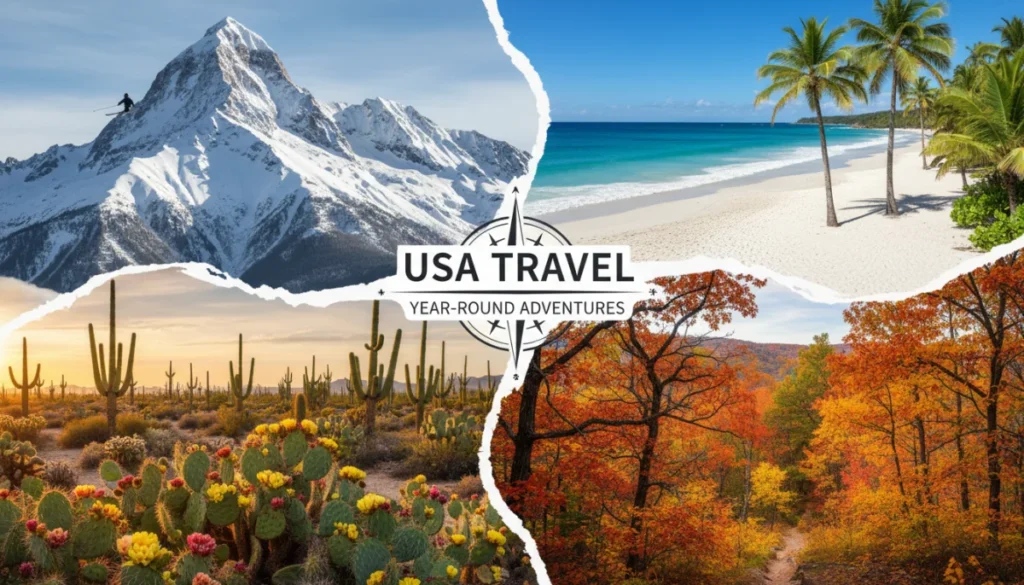
Understanding optimal weather patterns and regional events is crucial for effective seasonal US travel planning in 2026, allowing travelers to maximize their experiences across the country’s diverse climates.
Embarking on a journey across the United States offers an unparalleled array of experiences, but knowing when to visit each region is key to unlocking its full potential. This guide on seasonal US travel planning for 2026 will navigate you through the best times to explore, ensuring your adventures are perfectly timed with optimal weather and local festivities.
Understanding US Climate Diversity for Optimal Planning
The sheer size of the United States means its climate varies dramatically from one region to another. What might be an ideal time to visit the sunny beaches of Florida could be the peak of ski season in Colorado. Understanding these climatic nuances is the first step in crafting an unforgettable travel itinerary for 2026. This section will break down the general weather patterns you can expect across the major US regions throughout the year.
Careful consideration of seasonal changes allows travelers to avoid extreme weather, whether it’s scorching summer heat in the Southwest or harsh winter storms in the Northeast. Beyond comfort, timing your visit correctly can also mean experiencing natural phenomena like fall foliage or spring blooms at their most spectacular.
Regional Climate Zones
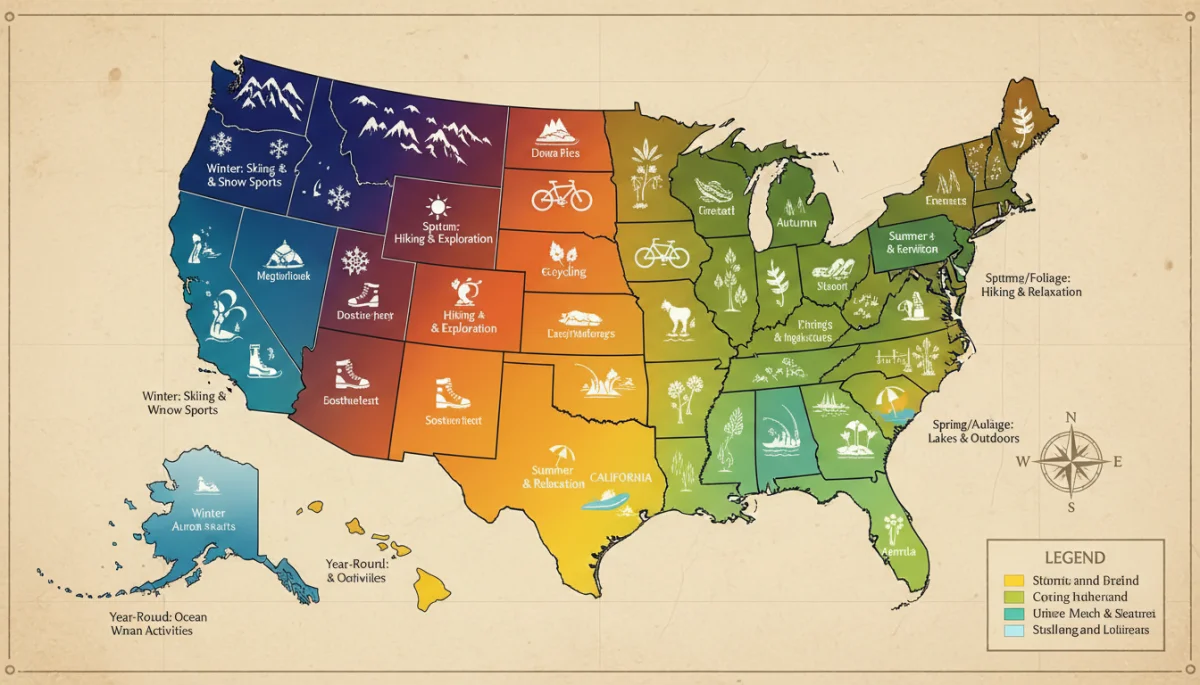
The US can broadly be divided into several climate zones, each with distinct characteristics that influence travel suitability. From the humid subtropical climate of the Southeast to the arid deserts of the Southwest, and the temperate zones of the Pacific Northwest, each area presents unique opportunities and challenges for travelers.
- Northeast: Experiences four distinct seasons, with warm summers, vibrant autumns, cold and snowy winters, and mild springs.
- Southeast: Characterized by hot, humid summers and mild winters, with hurricane season typically from June to November.
- Midwest: Hot, humid summers and very cold, snowy winters are common, with spring and fall offering pleasant temperatures.
- Southwest: Known for its hot, dry summers and mild winters, with significant temperature swings between day and night.
- Pacific Northwest: Mild, wet winters and warm, dry summers define this region, though coastal areas remain cooler.
- Rocky Mountains: Long, cold, and snowy winters, with short, mild summers perfect for outdoor activities.
By recognizing these overarching climate patterns, you can begin to narrow down your travel options for 2026, aligning your desired activities with the most favorable weather conditions. This foundational knowledge is essential for making informed decisions about where and when to go.
January to March: Winter Escapes and Early Spring Blooms
The first quarter of 2026 presents a fascinating dichotomy for US travelers. While much of the northern half of the country is deep in winter’s embrace, offering prime conditions for snow sports, southern regions begin to awaken with early spring flowers and milder temperatures. This period is ideal for those seeking either snowy adventures or a premature taste of spring.
Planning during these months requires a clear understanding of what each region offers. January and February are often the coldest months, providing excellent opportunities for skiing and snowboarding. March, however, starts to see a shift, with some areas transitioning from winter to spring, creating unique travel windows.
Winter Wonderland Destinations
For those who love the snow, January and February are peak season in many mountain ranges. Destinations like Aspen, Colorado, and Park City, Utah, are bustling with skiers and snowboarders. New England also offers charming winter experiences, from cozy fireside retreats to ice skating.
- Colorado Rockies: World-class skiing and snowboarding, vibrant après-ski scenes.
- Utah’s Wasatch Range: Famous for its dry, powdery snow and numerous resorts.
- New England: Picturesque snow-covered landscapes, cross-country skiing, and charming small towns.
Beyond skiing, places like Yellowstone National Park offer incredible wildlife viewing opportunities in a pristine, snow-covered setting, often accessed via snowmobile or snow coach. It’s a truly magical experience for those willing to brave the cold.
Southern Warmth and Early Spring
As winter lingers elsewhere, the southern US begins to show signs of spring. Florida, Southern California, and parts of Arizona offer warm, sunny escapes. March is particularly pleasant in these areas, with comfortable temperatures before the intense summer heat sets in.
Consider visiting cities like Miami or San Diego for beach relaxation, or exploring the national parks of Arizona, such as Saguaro National Park, where the desert flora begins to bloom. New Orleans also shines in late winter/early spring, often hosting Mardi Gras, drawing lively crowds.
Whether your preference leans towards crisp mountain air and fresh powder or the gentle warmth of an early spring, the first quarter of 2026 provides diverse options for your seasonal US travel planning.
April to June: Springtime Beauty and Outdoor Adventures
The period from April to June is arguably one of the most beautiful times to travel across the US. Spring is in full swing, bringing moderate temperatures, lush landscapes, and a vibrant energy to many regions. This quarter is perfect for outdoor enthusiasts, nature lovers, and those looking to avoid the peak summer crowds.
From the cherry blossoms in Washington D.C. to the blossoming wildflowers in national parks, this season offers spectacular visual feasts. It’s also an excellent time for hiking, biking, and exploring cities before the summer humidity or intense heat arrives.
East Coast Charm and Bloom
The East Coast, particularly the Mid-Atlantic and Northeast, truly comes alive in spring. April sees Washington D.C.’s famous cherry blossoms, while May and June bring pleasant weather for exploring historic cities like Boston, Philadelphia, and New York City.
- Washington D.C.: Cherry Blossom Festival in early April, historical monuments.
- New England: Charming coastal towns, early hiking season, fewer tourists.
- Great Smoky Mountains: Wildflowers in bloom, pleasant hiking temperatures.
This period offers a balance of comfortable weather for urban exploration and natural beauty, making it a prime time for a variety of itineraries. The humidity is typically lower than in summer, and the natural scenery is at its most verdant.
Western Wonders and Desert Blooms
In the West, spring is ideal for visiting desert national parks before summer temperatures become extreme. Places like Zion, Bryce Canyon, and the Grand Canyon in Utah and Arizona are stunning with comfortable hiking weather. California also enjoys pleasant conditions, especially along its coast.
Late spring, particularly May and early June, is also a fantastic time to visit the Pacific Northwest. Cities like Seattle and Portland experience drier, sunnier weather, and the lush forests and mountains are perfect for hiking and exploring.
Overall, the April to June window is a sweet spot for those looking to experience the US at its most vibrant and comfortable, making it a highlight for seasonal US travel planning in 2026.
July to September: Summer Adventures and Coastal Retreats
The summer months, July through September, are synonymous with classic American road trips, beach vacations, and national park adventures. While popular, careful planning can help navigate crowds and find unique experiences. This period is prime for exploring the vast landscapes and coastal regions of the US.
Many families plan their travels during these months due to school holidays, leading to higher demand and prices. However, with strategic seasonal US travel planning, you can still find incredible destinations that offer both excitement and relaxation.
Mountain and Northern Escapes
For those seeking cooler temperatures, the mountainous regions and northern states are excellent choices. The Rocky Mountains, including states like Montana, Wyoming, and Colorado, offer fantastic hiking, fishing, and scenic drives. National parks like Glacier and Grand Teton are at their peak accessibility.
- Montana and Wyoming: Yellowstone and Glacier National Parks, wildlife viewing, hiking.
- Pacific Northwest: Mild temperatures, exploring coastal towns and evergreen forests.
- Upper Midwest (Great Lakes): Boating, fishing, and enjoying lakeside activities.
These regions provide a refreshing escape from the heat prevalent in other parts of the country, making them perfect for active summer vacations. The long daylight hours allow for extended exploration and enjoyment of the natural beauty.
Coastal Bliss and City Breaks
Coastal areas across the US are also popular summer destinations. The East Coast offers charming beach towns from the Hamptons to the Outer Banks, while the West Coast boasts iconic beaches in California. However, be prepared for crowds and higher prices.
Cities like Chicago, with its vibrant lakefront and festivals, or San Francisco, with its famously cool summer climate, are also excellent choices for urban summer getaways. While the South can be hot and humid, cities like Asheville, NC, in the Blue Ridge Mountains offer a cooler alternative with a thriving arts scene.
September often brings a slight reprieve from the intense summer heat and crowds, particularly after Labor Day, making it a savvy time to visit popular destinations with more comfortable conditions.
October to December: Autumn Colors and Festive Seasons
The final quarter of 2026 transforms the US into a spectacle of fall colors and then into a festive winter wonderland. This period is cherished by many for its picturesque scenery, comfortable temperatures, and holiday cheer. It’s a fantastic time for scenic drives, cozy getaways, and experiencing unique local traditions.
Autumn, especially October, is renowned for its stunning foliage, particularly in the Northeast and parts of the Midwest. As the year draws to a close, the focus shifts to holiday markets, winter sports, and celebrating the festive season across various regions.
Peak Fall Foliage Destinations
For breathtaking displays of red, orange, and gold, the Northeast and parts of the Appalachian Mountains are unparalleled. October is typically the peak month, but timing can vary by a week or two depending on the specific location and annual weather patterns.
- New England: Iconic fall foliage drives, charming small towns, apple picking.
- Blue Ridge Parkway (Virginia to North Carolina): Stunning mountain vistas and vibrant leaf displays.
- Upper Midwest (Wisconsin, Michigan): Beautiful autumnal landscapes along lakeshores and forests.
Beyond the East, even parts of the Pacific Northwest and the Rocky Mountains offer beautiful fall colors, albeit with different tree species. This season is perfect for photography, leisurely drives, and enjoying crisp, cool air.
Winter Holidays and Southern Retreats
As November and December roll in, the focus shifts towards the holiday season. Major cities like New York City, Chicago, and San Francisco sparkle with festive decorations, holiday markets, and ice skating rinks. It’s a magical time for urban exploration and embracing the holiday spirit.
For those seeking warmth during the colder months, December is an excellent time to visit Florida, Southern California, or Hawaii. These destinations offer mild to warm temperatures, perfect for escaping winter’s chill and enjoying outdoor activities or beach relaxation.
Whether chasing vibrant fall colors or embracing the festive spirit and seeking winter sun, the last quarter of 2026 provides diverse and appealing options for your seasonal US travel planning.
Strategic Planning Tips for 2026 Travel
Beyond knowing the best times to visit specific regions, successful seasonal US travel planning for 2026 involves several strategic considerations. These tips will help you maximize your budget, avoid common pitfalls, and ensure a smooth, enjoyable trip, regardless of your destination or chosen season.
From booking accommodations to understanding local events, a little foresight goes a long way. Being flexible and prepared for unexpected changes can also significantly enhance your travel experience.
Booking and Budgeting Smart
Prices for flights and accommodations fluctuate significantly with demand. Traveling during shoulder seasons (late spring/early fall) often provides the best balance of good weather and fewer crowds/lower prices. Always book well in advance, especially for popular destinations or during peak travel times.
- Book Early: Especially for national parks, popular city hotels, or during major events.
- Consider Shoulder Seasons: April-May and September-October often offer better value.
- Flexibility with Dates: Even shifting your trip by a few days can result in significant savings.
Utilizing travel apps and price comparison websites can also help you snag the best deals. Don’t forget to factor in transportation costs, food, and activity expenses when setting your budget.
Leveraging Local Events and Festivals
Many US regions host unique festivals and events that can greatly enhance your travel experience. From music festivals to food fairs and cultural celebrations, aligning your trip with these happenings can offer deeper insights into local culture.
However, be aware that major events often lead to increased crowds and higher prices. Researching local calendars for your chosen destination can help you decide whether to embrace the festivities or avoid them for a quieter experience. For example, visiting New Orleans during Jazz Fest is a distinct experience compared to a regular week.
Strategic planning also involves being aware of potential weather disruptions, such as hurricane season in the Southeast or heavy snow in mountainous regions, and having contingency plans in place.
Beyond the Seasons: Embracing Flexibility and Local Insights
While seasonal guidelines are invaluable for initial planning, truly exceptional travel experiences often come from embracing flexibility and seeking out local insights. The US is a country of microclimates and ever-changing local dynamics, meaning that a rigid itinerary might cause you to miss out on hidden gems.
Think of these seasonal recommendations as a starting point, not a strict rulebook. Local events, unexpected weather shifts, and personal preferences should always factor into your final decisions. This approach makes your seasonal US travel planning for 2026 more dynamic and rewarding.
Adapting to Microclimates and Unexpected Weather
The weather in the US can be unpredictable. A general forecast for a region might not apply to a specific valley or mountain range. Always check localized forecasts closer to your travel dates and be prepared for various conditions, especially when traveling through diverse landscapes.
- Layered Clothing: Essential for regions with significant temperature swings.
- Contingency Plans: Have alternative activities or routes in case of bad weather.
- Local Forecasts: Rely on detailed, up-to-date weather predictions for your specific destination.
For example, even in summer, mountain evenings can be cool, and desert nights can be surprisingly cold. Packing wisely and being ready to adjust your plans can save you from discomfort and disappointment.
Seeking Local Recommendations
No guide can fully capture the nuances that locals know best. Engage with residents, read local blogs, and visit tourist information centers upon arrival. They can provide up-to-the-minute advice on the best hidden trails, current events, or even the best time of day to visit a popular attraction to avoid crowds.
Embracing this local perspective can transform a good trip into an extraordinary one, offering authentic experiences that guidebooks might miss. This human element of planning is a crucial, often overlooked, aspect of seasonal US travel planning.
Ultimately, the best time to visit any US region is when it aligns with your interests, budget, and tolerance for crowds. By combining seasonal knowledge with flexibility and local insights, your 2026 US adventures are bound to be memorable.
| Key Travel Season | Optimal US Regions & Activities |
|---|---|
| Winter (Jan-Mar) | Skiing in Rockies, warm escapes in Florida/Arizona, early spring in Southern US. |
| Spring (Apr-Jun) | East Coast blooms, national parks in Southwest, Pacific Northwest hiking. |
| Summer (Jul-Sep) | Mountain parks, Great Lakes, coastal beaches, Northern US cities. |
| Autumn (Oct-Dec) | Fall foliage in Northeast, holiday festivities in major cities, warm Southern getaways. |
Frequently Asked Questions About Seasonal US Travel
To avoid crowds in US national parks, aim for the shoulder seasons: late spring (April-May) or early fall (September-October). During these times, the weather is generally pleasant, and the number of visitors is significantly lower than during the peak summer months. Weekdays are also less crowded than weekends.
Hurricane season for the Atlantic and Gulf Coasts runs from June 1 to November 30, with peak activity typically from August to October. For the Pacific, it’s May 15 to November 30. It can bring severe weather, flight delays, and cancellations, particularly impacting coastal areas in the Southeast and Gulf regions. Travel insurance is highly recommended.
For winter sports, the Rocky Mountain states like Colorado, Utah, and Wyoming offer world-class skiing and snowboarding. The Pacific Northwest, particularly areas in Washington and Oregon, also provides excellent options. Additionally, parts of the Northeast, such as Vermont and New Hampshire, are popular for skiing and other winter activities.
Generally, traveling during the off-peak or shoulder seasons tends to be cheaper. This includes late winter/early spring (excluding spring break destinations) and late fall (after foliage season but before holiday travel). Peak seasons like summer and major holidays usually see higher prices for flights, accommodation, and activities across most regions.
For popular destinations or during peak seasons (summer, holidays, major events), it’s advisable to book flights and accommodations 6-12 months in advance. For national parks, especially those with limited lodging, booking even further out (12-18 months) is often necessary. Off-peak travel may allow for bookings 3-6 months in advance.
Conclusion
Successful seasonal US travel planning for 2026 hinges on a blend of understanding diverse regional climates and strategic foresight. By aligning your travel dates with optimal weather, local events, and personal preferences, you can transform a simple trip into an extraordinary adventure. The United States, with its incredible geographical and cultural diversity, offers captivating experiences throughout the year. Whether you seek snowy peaks, sun-drenched beaches, vibrant fall foliage, or bustling city life, careful planning ensures your journey across this remarkable nation is both rewarding and memorable. Embrace the rhythm of the seasons, and let 2026 be the year you truly discover the best of America.