2026 Updates for National Marine Sanctuaries: Protecting Ecosystems
The 2026 updates for National Marine Sanctuaries introduce significant policy changes aimed at strengthening protections for six key marine ecosystems across the United States, ensuring their long-term health.
Understanding the 2026 updates for National Marine Sanctuaries: Protecting 6 Key Ecosystems is crucial for anyone interested in marine conservation and the future of our oceans. These changes represent a pivotal moment in how the United States approaches the stewardship of its vital underwater habitats. Join us as we delve into the specifics of these important revisions and their potential impact on marine life and human interaction with these protected areas.
The evolving landscape of marine protection
The concept of national marine sanctuaries has been a cornerstone of ocean conservation in the U.S. for decades. These designated areas are managed to protect significant natural and cultural marine resources. However, as environmental challenges evolve, so too must our protective measures. The 2026 updates reflect a proactive stance, incorporating the latest scientific understanding and technological advancements to safeguard these invaluable ecosystems.
These revisions are not merely administrative adjustments; they represent a fundamental rethinking of how we manage marine resources in the face of climate change, pollution, and increased human activity. The goal is to create more resilient ecosystems that can withstand future pressures.
Why these updates are necessary
- Climate Change Impacts: Rising ocean temperatures, acidification, and sea-level rise are profoundly affecting marine life, necessitating more robust protective strategies.
- Biodiversity Loss: Many marine species are facing unprecedented declines, making enhanced sanctuary protections vital for their survival and recovery.
- Technological Advancements: New monitoring and conservation technologies allow for more effective management and enforcement within sanctuary boundaries.
The updates aim to streamline regulations, enhance enforcement capabilities, and foster greater collaboration among federal agencies, local communities, and indigenous groups. This multi-faceted approach is designed to create a more comprehensive and effective framework for marine conservation.
In essence, the evolving landscape of marine protection in 2026 is about adapting to new realities while upholding the core mission of preserving our ocean’s natural heritage for generations to come. It’s a testament to the ongoing commitment to environmental stewardship.
Enhanced protection for coral reef ecosystems
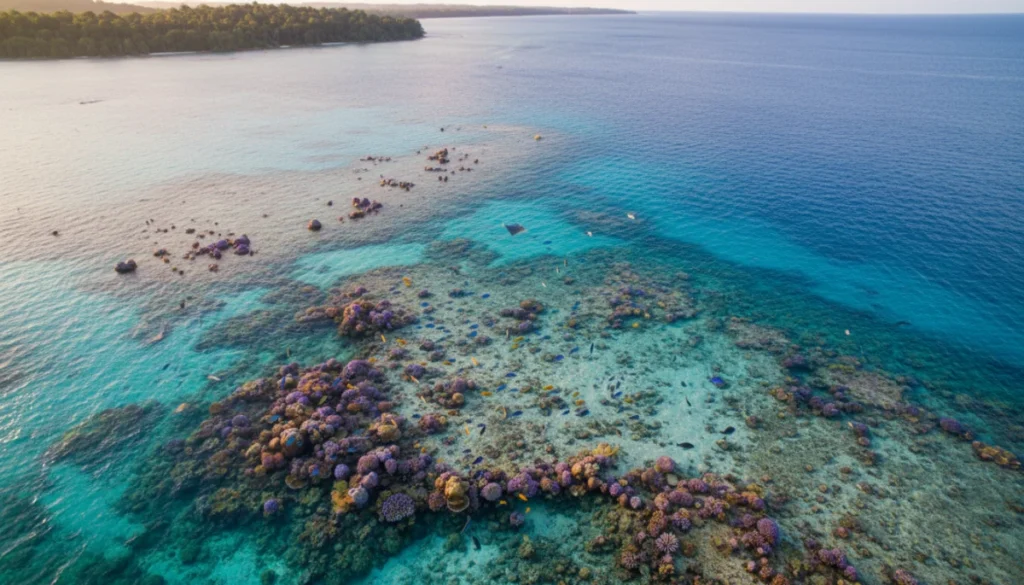
Coral reefs are often called the rainforests of the sea, harboring an astonishing diversity of marine life and providing critical ecosystem services. The 2026 updates introduce specific, more stringent measures to protect these incredibly delicate and vital habitats, particularly in areas like the Florida Keys National Marine Sanctuary and the Pacific Remote Islands Marine National Monument.
These new regulations focus on mitigating the most pressing threats to coral health, including pollution from land-based sources, destructive fishing practices, and recreational impacts. The goal is to give these stressed ecosystems a better chance to recover and thrive amidst global challenges.
Key regulatory changes for coral reefs
- Pollution Control: Stricter wastewater discharge standards and improved waste management protocols for vessels operating within or near coral reef sanctuaries.
- Anchoring Restrictions: Expansion of no-anchor zones and mandatory use of mooring buoys in sensitive coral areas to prevent physical damage.
- Sustainable Tourism: Implementation of new guidelines for dive operators and recreational users to minimize disturbance to coral formations and marine life.
The updates also emphasize increased funding for coral restoration projects, including initiatives to grow and transplant resilient coral species. This proactive restoration work is seen as a crucial component of long-term recovery efforts, complementing the regulatory changes.
Protecting coral reef ecosystems is not just about preserving beautiful underwater landscapes; it’s about safeguarding the livelihoods of countless coastal communities and maintaining the health of the entire ocean. The 2026 updates represent a significant step forward in this critical endeavor, acknowledging the urgency of the situation.
Safeguarding kelp forest habitats
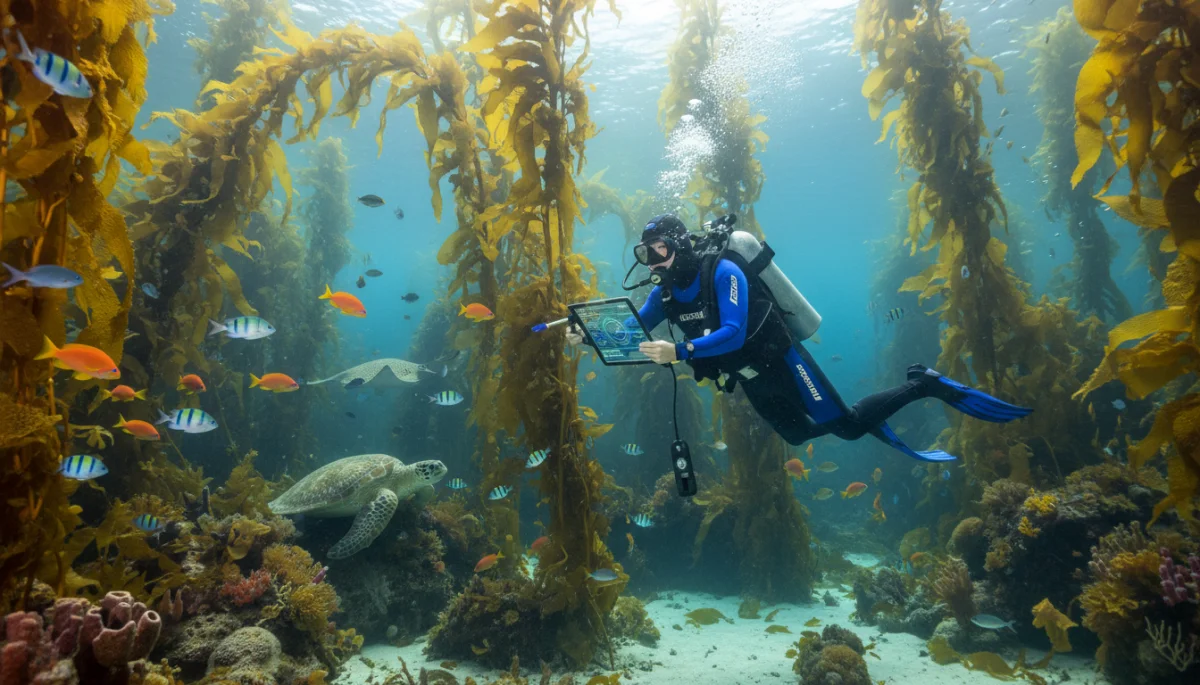
Kelp forests are dynamic underwater ecosystems that provide food and shelter for an immense variety of marine species, from tiny invertebrates to large marine mammals. They also play a crucial role in carbon sequestration and coastal protection. The 2026 updates bring renewed focus and enhanced protections to key kelp forest areas, particularly along the California coast in sanctuaries like Monterey Bay and Channel Islands.
These updates recognize the increasing threats to kelp forests, including ocean heatwaves, sea urchin overgrazing, and nutrient pollution. The new policies aim to foster conditions that allow these vital habitats to flourish and expand, strengthening their resilience against environmental stressors.
New initiatives for kelp forest conservation
One of the primary focuses of the 2026 updates is to implement stricter controls on activities that could harm kelp forests. This includes reviewing fishing gear restrictions to minimize bycatch and habitat destruction, as well as enhancing water quality monitoring to prevent nutrient runoff from coastal areas.
Furthermore, the updates support research into kelp forest restoration techniques, including innovative methods for reintroducing kelp to degraded areas and managing sea urchin populations. Collaborative efforts with local universities and conservation groups are central to these initiatives, leveraging scientific expertise for practical solutions.
The long-term health of kelp forests is intrinsically linked to the health of the broader marine environment and coastal communities. By prioritizing their protection, the 2026 updates ensure that these magnificent underwater forests continue to provide their invaluable ecological services, supporting biodiversity and coastal resilience.
Protecting deep-sea canyons and seamounts
Deep-sea canyons and seamounts are often overlooked but incredibly important ecosystems, hosting unique species adapted to extreme conditions and providing critical habitats for fish, corals, and other invertebrates. The 2026 updates extend protective measures to these enigmatic deep-sea environments, recognizing their ecological significance and vulnerability to human activities.
Areas such as the Northeast Canyons and Seamounts Marine National Monument will see strengthened regulations to prevent damage from bottom trawling, deep-sea mining exploration, and other disruptive activities. These habitats are slow to recover from disturbance, making preventative measures paramount.
The new policies also emphasize the importance of further scientific exploration of these deep-sea areas. Much remains unknown about the species and ecosystems that thrive in the abyssal depths, and the updates support research initiatives to better understand and manage these remote environments.
Protecting deep-sea canyons and seamounts requires a different approach than coastal ecosystems, often relying on remote sensing technologies and specialized submersibles for monitoring and research. The 2026 updates allocate resources for these advanced tools, ensuring effective oversight of these vast and largely unexplored areas.
By safeguarding these deep-sea wonders, we are preserving a part of our planet that holds immense scientific value and contributes to the overall health of the ocean. The 2026 updates underscore a commitment to protecting marine life at all depths.
Conservation of critical estuarine and wetland habitats
Estuaries and coastal wetlands serve as nurseries for countless marine species, filter pollutants, and provide essential protection against coastal erosion and storm surges. The 2026 updates recognize the vital role these transitional ecosystems play, introducing enhanced protections for key estuarine and wetland habitats within and adjacent to National Marine Sanctuaries.
These areas, often impacted by land-based pollution and coastal development, will benefit from stricter regulations concerning runoff, habitat alteration, and sustainable development practices. The goal is to restore and maintain the ecological integrity of these crucial interfaces between land and sea.
Integrated management strategies
- Water Quality Improvement: Implementation of programs to reduce nutrient and sediment runoff from agricultural and urban areas upstream of estuaries.
- Habitat Restoration: Funding for projects aimed at restoring degraded wetlands, oyster reefs, and seagrass beds, which are vital components of estuarine health.
- Community Engagement: Encouraging local communities and landowners to adopt practices that support estuarine health, through education and incentive programs.
The updates also foster greater collaboration between federal, state, and local agencies to create more integrated management plans for these complex ecosystems. This holistic approach acknowledges that the health of estuaries is influenced by activities far beyond their immediate boundaries.
By investing in the conservation of estuarine and wetland habitats, the 2026 updates are not only protecting biodiversity but also enhancing the resilience of coastal communities against the impacts of climate change. These efforts are fundamental to a healthy and sustainable future for our coasts.
Strengthening protections for open ocean pelagic zones
The open ocean, or pelagic zone, is a vast and often unseen realm that supports migratory species like whales, sharks, and tuna, playing a crucial role in global oceanic processes. The 2026 updates extend protective measures into these expansive areas, recognizing the need for conservation beyond coastal boundaries.
These new regulations address threats such as plastic pollution, unsustainable fishing practices, and noise pollution from shipping. The goal is to create safer corridors and foraging grounds for highly migratory species that traverse vast distances across the world’s oceans.
The updates also include provisions for enhanced international cooperation, as many pelagic species cross national jurisdictions. Collaborative efforts with other countries and international organizations are essential for effective management of these shared resources.
Monitoring the open ocean presents unique challenges, requiring advanced satellite tracking, acoustic monitoring, and remote sensing technologies. The 2026 updates support the development and deployment of these tools to better understand and protect these dynamic environments.
By strengthening protections for open ocean pelagic zones, the 2026 updates contribute to the health of global marine ecosystems and ensure the survival of iconic migratory species. This forward-thinking approach acknowledges the interconnectedness of our planet’s oceans.
The role of community and indigenous engagement
Effective marine conservation is not solely about regulations and scientific research; it also hinges on the active involvement and support of local communities and indigenous peoples. The 2026 updates place a significant emphasis on fostering greater engagement, recognizing the invaluable traditional ecological knowledge and stewardship practices that these groups possess.
New policies aim to create more inclusive governance structures, ensuring that local voices are heard in the decision-making processes for national marine sanctuaries. This includes providing opportunities for co-management and collaborative research projects.
Benefits of community involvement
- Enhanced Stewardship: Local communities often have a deep connection to marine resources and can act as effective stewards and monitors of sanctuary health.
- Traditional Knowledge Integration: Indigenous knowledge offers unique insights into ecosystem dynamics and sustainable resource management practices that complement scientific approaches.
- Increased Compliance: When communities feel ownership and are involved in decision-making, compliance with regulations tends to be higher, leading to better conservation outcomes.
The updates also include provisions for educational programs and outreach initiatives designed to raise awareness about marine conservation and the importance of national marine sanctuaries. These programs target schools, local businesses, and the general public, fostering a culture of ocean stewardship.
By empowering communities and integrating indigenous perspectives, the 2026 updates build a stronger foundation for long-term marine conservation. This collaborative approach ensures that protection efforts are not only scientifically sound but also socially equitable and culturally respectful.
| Key Focus Area | Brief Description of Updates |
|---|---|
| Coral Reef Ecosystems | Stricter pollution controls, anchoring restrictions, and sustainable tourism guidelines. |
| Kelp Forest Habitats | New initiatives for conservation, fishing gear review, and water quality monitoring. |
| Deep-Sea Canyons | Enhanced protections against bottom trawling and deep-sea mining exploration. |
| Estuarine & Wetland Habitats | Stricter runoff regulations, habitat restoration, and community engagement. |
Frequently asked questions about 2026 marine sanctuary updates
The primary goals are to enhance protection for vulnerable marine ecosystems, adapt to climate change impacts, streamline management, and foster greater community and indigenous engagement in conservation efforts. These updates aim to create more resilient and effectively managed sanctuaries.
The 2026 updates focus on strengthening protections for six key ecosystems: coral reefs, kelp forests, deep-sea canyons and seamounts, estuarine and wetland habitats, and open ocean pelagic zones. Each receives tailored regulations and conservation strategies.
The updates integrate climate change considerations through stricter pollution controls, support for resilient species restoration, and adaptive management strategies. They aim to build ecosystem resilience against ocean warming, acidification, and other climate-related stressors.
Community and indigenous engagement are central to the 2026 updates. New policies promote inclusive governance, integrate traditional ecological knowledge, and support educational outreach to ensure local voices contribute to effective and sustainable sanctuary management.
The 2026 updates are undergoing phased implementation, with some regulations already in effect and others rolling out throughout the year. Full implementation is anticipated by late 2026, with ongoing monitoring and adaptive adjustments planned for subsequent years.
Conclusion
The 2026 updates to National Marine Sanctuaries represent a critical juncture for marine conservation in the United States. By strategically enhancing protections for six key ecosystems and fostering greater collaboration, these revisions aim to create a more robust and resilient network of protected areas. The commitment to integrating scientific advancements, addressing climate change, and empowering local communities underscores a forward-thinking approach to safeguarding our invaluable marine heritage for future generations. These efforts are not just about protecting specific sites, but about ensuring the overall health and biodiversity of our oceans.