2026 Policy Changes: Shaping 5 National Recreation Areas
The 2026 policy changes are poised to fundamentally reshape the management and visitor experience within five critical National Recreation Areas across the United States.
The landscape of America’s cherished natural spaces is ever-evolving, and the upcoming 2026 policy changes national recreation areas are set to usher in a new era for some of our most beloved outdoor destinations. These shifts promise to redefine everything from conservation strategies to visitor access, influencing how millions experience these invaluable resources. What do these changes entail, and how will they specifically impact five key National Recreation Areas?
Understanding the Genesis of the 2026 Policy Framework
The 2026 policy framework emerges from a confluence of environmental concerns, evolving recreational demands, and a deeper understanding of sustainable land management. These policies are not arbitrary; they are the culmination of years of research, public discourse, and expert consultation aimed at balancing preservation with public enjoyment. The overarching goal is to ensure these areas remain vibrant and accessible for future generations while mitigating the pressures of climate change and increased visitation.
Several key drivers have influenced the development of these new regulations. Climate change impacts, such as increased wildfire risk, water scarcity, and ecosystem shifts, necessitate adaptive management strategies. Simultaneously, a growing population and a renewed interest in outdoor recreation have placed unprecedented strain on existing infrastructure and natural resources. The 2026 policies aim to address these complex challenges holistically.
Key Legislative Impulses and Public Engagement
The legislative process behind the 2026 policy changes involved extensive public engagement. Numerous workshops, public hearings, and online forums provided opportunities for stakeholders, including environmental groups, local communities, recreationalists, and indigenous tribes, to voice their perspectives. This inclusive approach sought to craft policies that reflect a broad spectrum of interests while adhering to scientific conservation principles.
- Public comment periods significantly shaped final policy drafts.
- Scientific reports on ecosystem health provided critical data.
- Inter-agency collaborations ensured comprehensive planning.
- Indigenous knowledge was incorporated into land management strategies.
The framework emphasizes adaptive management, allowing for flexibility as new data emerges or environmental conditions change. This forward-looking approach is designed to create more resilient and responsive management plans for the National Recreation Areas.
Impact on Lake Mead National Recreation Area
Lake Mead National Recreation Area, a vital oasis in the Mojave Desert, faces unique challenges primarily related to water levels and drought. The 2026 policy changes are expected to bring significant modifications to water management protocols, aiming to secure the long-term viability of this critical resource and its surrounding ecosystems. These changes will likely influence recreational activities and infrastructure development.
The policies are anticipated to introduce stricter guidelines for water conservation and allocation, potentially impacting boating, fishing, and other water-dependent activities. Furthermore, there’s a strong emphasis on restoring native habitats along the receding shoreline, promoting biodiversity and ecosystem health. This shift reflects a broader national commitment to addressing water scarcity in arid regions.
Conservation Initiatives and Visitor Access Adjustments
New conservation initiatives at Lake Mead will focus on invasive species management and habitat restoration. Programs to remove non-native plants and reintroduce indigenous flora are expected to expand, safeguarding the desert’s delicate ecological balance. These efforts are crucial for maintaining the area’s natural integrity.
- Enhanced monitoring of water quality and quantity.
- Restrictions on certain high-impact recreational activities during low-water periods.
- Increased funding for ecological restoration projects.
- Development of new land-based recreational opportunities to compensate for water-related limitations.
Visitor access might also see adjustments, with potential changes to designated use zones and permit requirements to manage crowds and protect sensitive areas. The goal is to ensure a sustainable visitor experience that minimizes environmental impact while still allowing public enjoyment of this iconic recreation area.
Gateway National Recreation Area: Urban Resilience and Public Engagement
Gateway National Recreation Area, a sprawling urban park spanning New York and New Jersey, presents a distinct set of challenges related to coastal resilience, urban development, and high visitor density. The 2026 policy changes will likely prioritize climate adaptation strategies and enhanced community engagement, transforming how this vital urban green space interacts with its surrounding metropolitan areas.
The new policies are expected to accelerate efforts to protect Gateway’s coastlines from rising sea levels and storm surges, incorporating natural infrastructure solutions like dune restoration and living shorelines. This focus on resilience is crucial for an area so vulnerable to climate impacts. Furthermore, there will be a concerted push to strengthen the park’s role as an educational hub, connecting urban communities with nature and conservation principles.
Community Partnerships and Ecosystem Restoration
A cornerstone of the new policies for Gateway will be fostering deeper partnerships with local communities and organizations. These collaborations aim to increase access for underserved populations, provide environmental education, and involve residents in stewardship activities. The park’s future success hinges on its ability to serve as a community resource.
Ecosystem restoration efforts will expand beyond coastal protection to include wetland rehabilitation and the creation of urban wildlife habitats. These initiatives are designed to boost biodiversity within the metropolitan context, offering critical refuge for migratory birds and other species. The policies recognize Gateway’s unique position as both a recreational haven and a vital ecological corridor.
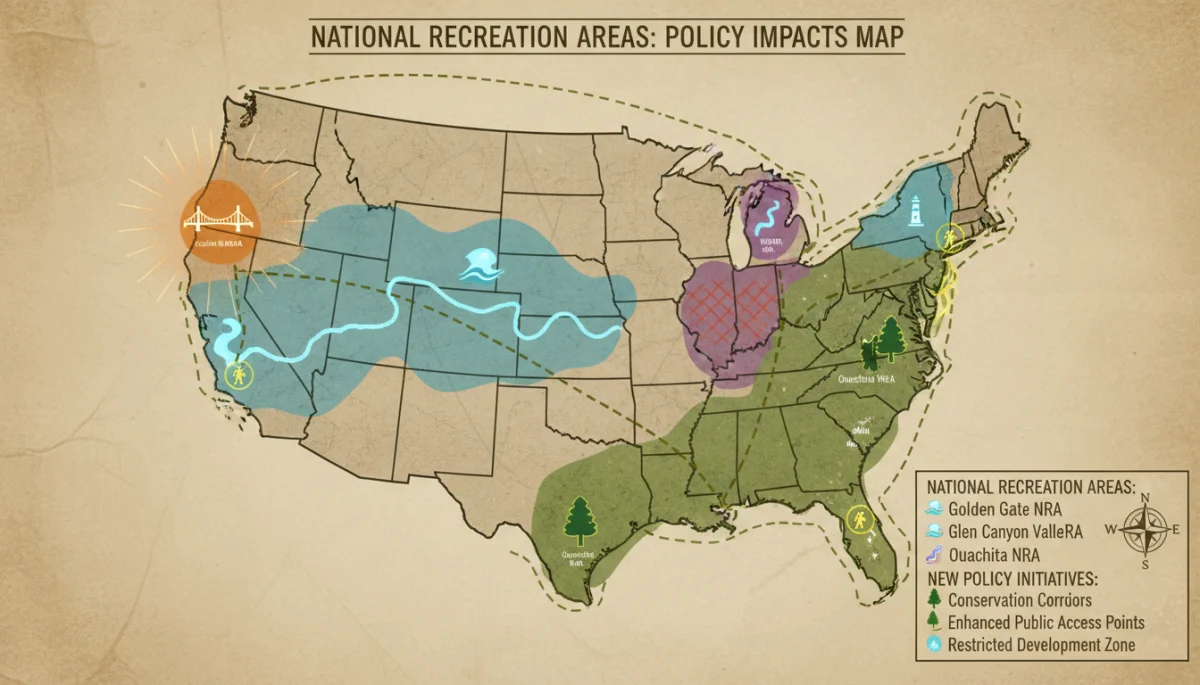
The 2026 policy changes are set to enhance Gateway’s role as a model for urban national parks, demonstrating how natural and cultural resources can thrive amidst dense population centers.
Hells Canyon National Recreation Area: Wilderness Protection and Economic Balance
Hells Canyon National Recreation Area, straddling the borders of Oregon, Washington, and Idaho, is renowned for its rugged wilderness and the deepest river gorge in North America. The 2026 policy changes here will likely focus on strengthening wilderness protections, managing resource extraction, and balancing recreational use with the preservation of its pristine character. The unique blend of wild rivers and vast backcountry demands a nuanced approach.
Expect new regulations to reinforce existing wilderness designations, potentially limiting motorized access in certain sensitive areas and implementing stricter guidelines for commercial outfitters. The policies will also address the ongoing debate around grazing rights and mineral exploration, seeking to minimize their environmental footprint while supporting local economies. This delicate balance is central to the future of Hells Canyon.
Sustainable Recreation and Cultural Resource Management
The new framework emphasizes sustainable recreation practices, promoting low-impact activities such as hiking, backpacking, and non-motorized boating. Educational programs will be enhanced to inform visitors about Leave No Trace principles and the importance of preserving the canyon’s unique ecology and cultural heritage. The goal is to cultivate a stewardship ethic among all who visit.
- Strengthened protections for wild and scenic river segments.
- Improved monitoring of visitor impacts on trails and campsites.
- Enhanced collaboration with indigenous tribes on cultural resource management.
- Development of alternative economic opportunities for local communities.
Furthermore, the policies will likely increase resources for managing and protecting the area’s rich archaeological and historical sites, ensuring these invaluable cultural resources are preserved for future study and appreciation. The 2026 policy changes aim to safeguard Hells Canyon’s unparalleled wilderness experience.
Delaware Water Gap National Recreation Area: Regional Collaboration and Infrastructure
The Delaware Water Gap National Recreation Area, a jewel of the Mid-Atlantic, is characterized by its significant regional connectivity, diverse ecosystems, and proximity to major population centers. The 2026 policy changes are anticipated to emphasize enhanced regional collaboration, infrastructure upgrades, and comprehensive watershed protection, addressing the complex interplay between conservation and high visitor demand.
New policies will likely foster stronger partnerships with state agencies, local governments, and private landowners to create a more cohesive management strategy across the broader Delaware River watershed. This collaborative approach is essential for addressing issues such as water quality, invasive species, and wildlife corridors that extend beyond the park’s boundaries. Infrastructure improvements will also be a priority, focusing on sustainable trail systems, improved visitor facilities, and enhanced accessibility.
Watershed Health and Visitor Experience Enhancements
A significant aspect of the 2026 framework for the Delaware Water Gap will be its focus on watershed health. This includes initiatives to reduce agricultural runoff, restore riparian habitats, and protect critical drinking water sources. The health of the Delaware River is paramount, and the policies will support efforts to maintain its ecological integrity.
- Increased funding for water quality monitoring and restoration projects.
- Development of integrated transportation plans to ease traffic congestion.
- Expansion of educational programs on watershed stewardship.
- Implementation of new technologies for visitor management and safety.
The policies also aim to enhance the overall visitor experience by diversifying recreational opportunities, improving interpretive services, and ensuring equitable access for all. By strengthening regional ties and investing in sustainable infrastructure, the 2026 policies seek to secure the long-term vitality of the Delaware Water Gap National Recreation Area as a regional asset.
Golden Gate National Recreation Area: Balancing Urban Access and Biodiversity
Golden Gate National Recreation Area, encompassing iconic landmarks around San Francisco Bay, epitomizes the challenge of integrating vast natural spaces within a major metropolitan area. The 2026 policy changes are expected to further refine the delicate balance between providing unparalleled urban access to nature and protecting its extraordinary biodiversity, which includes numerous endangered species.
The new policies will likely introduce innovative approaches to managing visitor flow, particularly in highly popular areas like Muir Woods and the Marin Headlands, to minimize ecological disturbance. Expect increased investment in public transportation options to reduce vehicle traffic and carbon emissions within the park. Furthermore, there will be a heightened focus on habitat connectivity and restoration for the diverse array of flora and fauna found within this urban-proximate park.
Innovative Conservation and Community Engagement
Conservation efforts under the new policies will leverage cutting-edge science to protect and restore critical habitats, particularly for threatened and endangered species. This includes expanded programs for invasive plant removal, native plant propagation, and wildlife corridor creation. The unique challenges of urban wildlife management will be met with adaptive strategies.
- Implementation of smart park technologies for resource management.
- Expansion of volunteer programs for habitat restoration.
- Development of new educational initiatives focusing on urban biodiversity.
- Enhanced partnerships with local universities for ecological research.
Community engagement will remain a top priority, with policies designed to ensure equitable access and foster a sense of ownership among Bay Area residents. The 2026 policy changes aim to solidify Golden Gate National Recreation Area’s role as a global leader in urban conservation and a model for connecting people with nature in densely populated regions.
| Key Policy Area | Brief Description of Impact |
|---|---|
| Climate Adaptation | New strategies for resilience against climate change, including coastal protection and water management. |
| Visitor Management | Adjustments to access, permits, and infrastructure to manage increasing visitor numbers sustainably. |
| Ecosystem Restoration | Expanded initiatives for habitat restoration, invasive species control, and biodiversity enhancement. |
| Community Engagement | Increased partnerships with local communities and indigenous groups for inclusive management. |
Frequently Asked Questions About 2026 Policy Changes
The main goals are to enhance environmental resilience against climate change, improve sustainable visitor management practices, foster greater community engagement, and protect critical ecosystems and cultural resources for future generations. These policies aim for a balanced approach to conservation and recreation.
Visitor access may see adjustments, including potential changes to designated use zones, permit requirements, and increased emphasis on public transportation options. The aim is to manage visitor numbers effectively, reduce environmental impact, and ensure a high-quality, sustainable experience for all.
Yes, the policies are expected to have an impact on local economies. While some activities might face new restrictions, there’s also a focus on developing sustainable tourism, enhancing infrastructure, and fostering community partnerships that could create new economic opportunities and support local businesses.
Climate change is a central driver of the 2026 policy framework. The policies integrate adaptive management strategies to address issues like water scarcity, increased wildfire risk, and coastal erosion, aiming to enhance the resilience of ecosystems and infrastructure within the National Recreation Areas.
The public can stay informed through official park websites, National Park Service announcements, and local community meetings. Many parks also offer newsletters and social media updates. Engaging with local park Friends groups is another excellent way to get specific, up-to-date information on policy implementation.
Conclusion
The 2026 policy changes national recreation areas represent a pivotal moment for some of America’s most treasured natural landscapes. From the arid challenges of Lake Mead to the urban integration of Golden Gate, and the wilderness protection of Hells Canyon to the regional collaboration of Delaware Water Gap, these policies are designed to forge a more sustainable and resilient future. By balancing conservation with public access, fostering community engagement, and adapting to environmental shifts, the framework aims to ensure that these invaluable areas continue to inspire and provide solace for generations to come. The success of these initiatives will depend on ongoing collaboration, adaptive management, and a collective commitment to stewardship, ensuring that the natural beauty and ecological integrity of these national treasures endure.