2026 Visitor’s Handbook: 4 Underrated National Grasslands
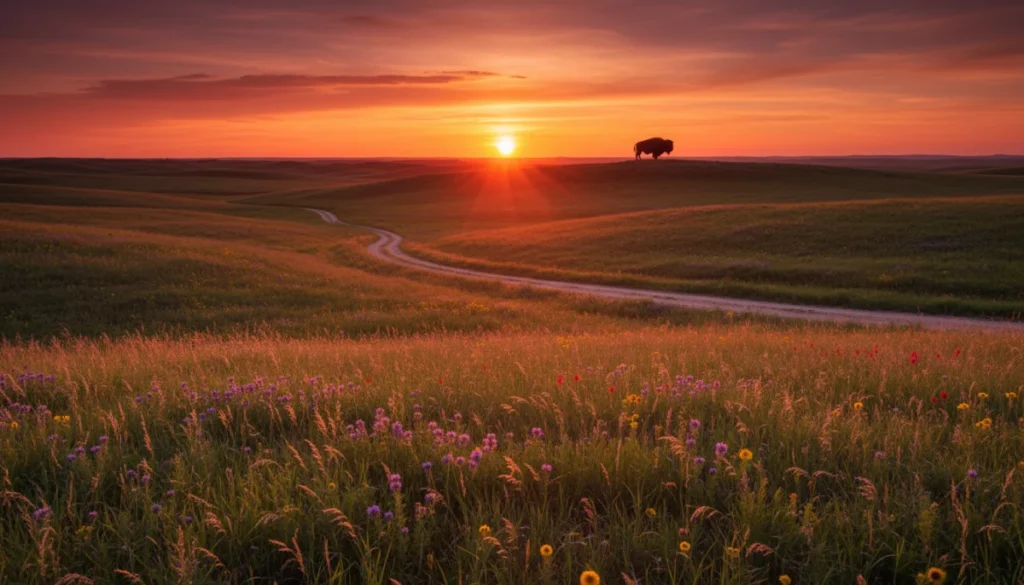
The 2026 visitor’s handbook to 4 underrated national grasslands highlights lesser-known yet stunning natural preserves offering unique ecological experiences and tranquil outdoor adventures across the American plains.
As we look towards 2026, many travelers seek authentic, less-trodden paths away from the bustling crowds. This The 2026 Visitor’s Handbook to 4 Underrated National Grasslands unveils four hidden gems across America, inviting you to explore vast, serene landscapes that promise profound connections with nature and unparalleled tranquility.
The Allure of America’s Prairies: Why Grasslands Matter
National grasslands, often overshadowed by their mountainous and forested national park counterparts, represent some of the most vital and ecologically diverse ecosystems in the United States. These vast, open spaces are not merely flat plains; they are dynamic landscapes teeming with life, from intricate plant communities to iconic wildlife. Understanding their significance is the first step to appreciating their unique beauty.
These expansive areas play a crucial role in carbon sequestration, water filtration, and supporting migratory bird populations. They offer a window into America’s natural heritage, preserving landscapes that once covered a significant portion of the continent. Visiting them provides a rare opportunity to witness ecosystems largely untouched by dense human development.
Ecological Importance and Biodiversity
National grasslands are critical habitats for a multitude of species. They provide essential breeding grounds for numerous bird species, including many that are endangered. The deep root systems of prairie grasses also help prevent soil erosion and improve soil health, which is vital for agricultural regions surrounding these preserves.
- Support for endangered species like the black-footed ferret.
- Crucial migratory bird stopovers.
- Natural water filtration systems.
- Carbon sequestration through extensive root systems.
Moreover, the biodiversity extends beyond large animals to an incredible variety of insects, reptiles, and amphibians, all contributing to a delicate ecological balance. Each grassland offers a distinct blend of flora and fauna, shaped by its specific climate and geographical features.
Recreational Opportunities Beyond the Crowds
Unlike more popular national parks, national grasslands offer a sense of solitude and vastness that is increasingly rare. Visitors can enjoy activities such as hiking, birdwatching, horseback riding, and even primitive camping without the typical throngs of tourists. This allows for a more immersive and personal experience with nature.
The quietude and expansive skies are particularly appealing for those seeking respite from urban environments. Stargazing in a national grassland, far from light pollution, is an unforgettable experience, revealing the Milky Way in breathtaking clarity.
The allure of national grasslands lies in their understated grandeur and ecological significance. They offer unique opportunities for exploration, education, and peaceful reflection, making them ideal destinations for the discerning 2026 traveler seeking genuine connection with America’s natural world.
Little Missouri National Grassland, North Dakota: Badlands Beauty
The Little Missouri National Grassland, nestled within western North Dakota, is the largest national grassland in the United States. It’s an integral part of the larger landscape that includes Theodore Roosevelt National Park, sharing the dramatic badlands topography that defines this region. Its rugged beauty, sculpted by wind and water, offers a stark contrast to the typical image of flat prairies.
Visiting this grassland in 2026 means experiencing a wild, untamed frontier. The unique geological formations, combined with vast open spaces, provide an incredible backdrop for adventure and wildlife viewing. It’s a place where the spirit of the American West still thrives.
Exploring the Maah Daah Hey Trail
One of the crown jewels of the Little Missouri National Grassland is the Maah Daah Hey Trail, a 144-mile non-motorized trail that winds through some of the most scenic badlands. It’s a world-class trail popular with mountain bikers, hikers, and horseback riders, offering challenging terrain and breathtaking vistas.
- Trail Length: 144 miles, with several shorter loop options.
- Activities: Mountain biking, hiking, horseback riding.
- Scenery: Badlands formations, buttes, river crossings, prairie dog towns.
- Accessibility: Multiple access points, some requiring high-clearance vehicles.
The trail provides an intimate experience with the grassland’s diverse ecosystems, from high plateaus to river bottoms. Planning for water and supplies is crucial, as services are scarce along much of its length.
Wildlife Encounters and Photography
The grassland is home to a rich array of wildlife, including bison, wild horses, pronghorn, and a variety of bird species. Early mornings and late afternoons are prime times for wildlife viewing, especially near water sources or in less disturbed areas. Photography enthusiasts will find endless opportunities to capture the raw beauty of the landscape and its inhabitants.
Observing bison herds grazing peacefully, or catching a glimpse of a wild horse band galloping across the plains, are experiences that underscore the wildness of this region. Respecting wildlife and maintaining a safe distance is paramount for both visitor safety and animal welfare.
The Little Missouri National Grassland stands as a testament to the rugged beauty of the American West. Its badlands, extensive trails, and abundant wildlife make it an exceptional, yet still relatively underrated national grasslands destination for those seeking adventure and solitude in 2026.
Cimarron National Grassland, Kansas: A High Plains Oasis
Located in the southwestern corner of Kansas, the Cimarron National Grassland offers a distinctive high plains experience. It is Kansas’s only national grassland, preserving a significant portion of the shortgrass prairie ecosystem. This area is a haven for history buffs and nature lovers alike, with remnants of the Santa Fe Trail crisscrossing its vast expanses.
The Cimarron provides a glimpse into the historic American frontier, where pioneers once traversed these same plains. Its relatively flat terrain, punctuated by the Cimarron River, creates a unique habitat for a variety of species and offers a peaceful escape.
Birdwatching and Wildlife Sanctuaries
The Cimarron National Grassland is renowned for its exceptional birdwatching opportunities. It serves as a critical stopover for migratory birds and hosts a vibrant population of resident species, including the lesser prairie-chicken, a species of conservation concern. Bird enthusiasts flock here, especially during migration seasons, to witness the spectacle of diverse avian life.
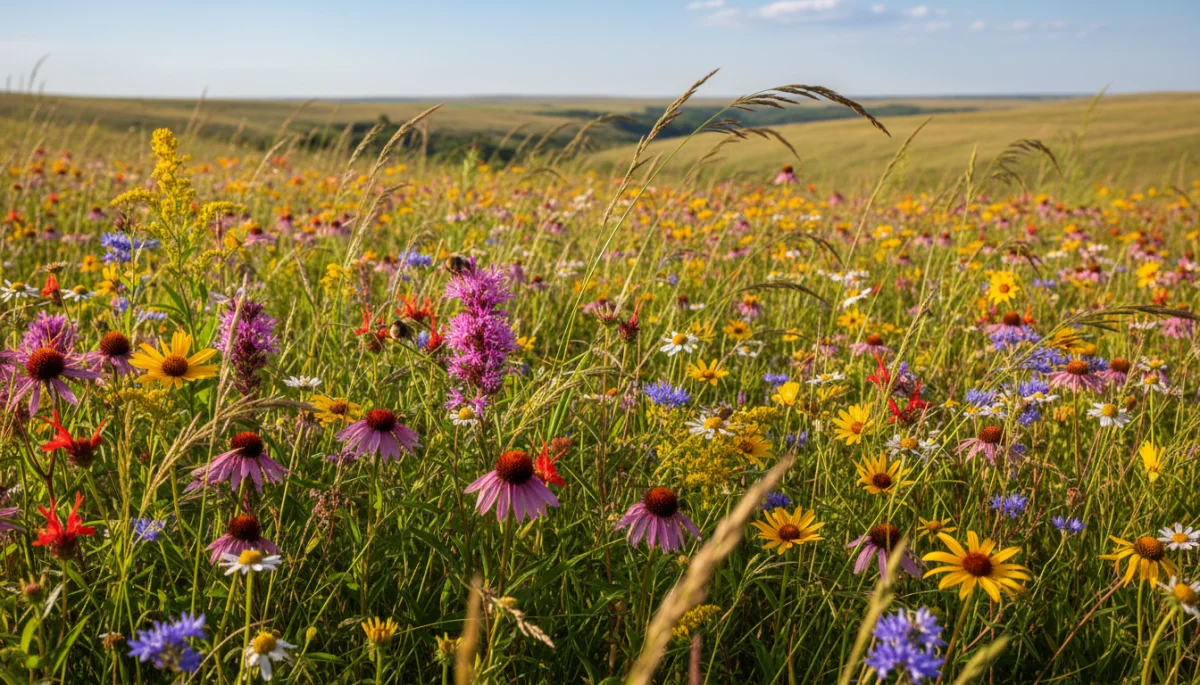
Several designated wildlife sanctuaries within the grassland protect crucial breeding and feeding grounds, ensuring the survival of these species. Visitors are encouraged to bring binoculars and respect designated viewing areas to minimize disturbance.
Historical Trails and Primitive Camping
For those interested in American history, the ruts of the original Santa Fe Trail are still visible in parts of the grassland. Hiking or driving along these historic paths provides a tangible connection to the past, imagining the journeys of early settlers and traders. Interpretive signs offer insights into the challenges and triumphs of westward expansion.
The grassland also offers primitive camping, allowing visitors to immerse themselves fully in the natural environment. Dispersed camping is permitted in many areas, providing an opportunity for true solitude under a blanket of stars. Permits and adherence to Leave No Trace principles are essential for preserving this fragile ecosystem.
The Cimarron National Grassland’s blend of ecological importance, historical significance, and tranquil recreational opportunities makes it an ideal, though often overlooked, destination for the 2026 traveler seeking both nature and history. It truly is a high plains oasis.
Pawnee National Grassland, Colorado: Skywatching and Shortgrass Prairies
Just a short drive northeast of Fort Collins, Colorado, the Pawnee National Grassland offers a dramatic contrast to the nearby Rocky Mountains. This vast expanse of shortgrass prairie is famous for its stunning open skies, making it a premier destination for birdwatching, stargazing, and experiencing the quintessential American prairie. Its accessibility from major urban centers makes it a perfect day trip or weekend getaway.
In 2026, the Pawnee continues to be a refuge for unique wildlife and a classroom for understanding grassland ecosystems. Its distinct landscape provides a different perspective on Colorado’s natural beauty, moving beyond the well-trodden mountain trails.
Birding Hotspot and Raptor Haven
The Pawnee National Grassland is internationally recognized as a birding hotspot, especially for raptors and grassland birds. The Pawnee Buttes, prominent geological formations, serve as nesting sites for various raptor species, including ferruginous hawks and golden eagles. Birdwatchers can spend hours observing these majestic birds soaring above the prairie.
- Key Species: Lark bunting (Colorado’s state bird), burrowing owls, ferruginous hawks.
- Best Times: Spring and fall migrations for peak diversity.
- Facilities: Birding drives, designated viewing areas, interpretive signs.
The grassland’s shortgrass prairie is also home to numerous ground-nesting birds, making it a critical habitat for their survival. Visitors are encouraged to stay on designated paths to avoid disturbing nests.
Stargazing and Astrophotography
With minimal light pollution and expansive horizons, the Pawnee National Grassland offers some of the best stargazing opportunities in Colorado. On clear nights, the Milky Way is visible with incredible clarity, and celestial events can be observed without obstruction. It’s a photographer’s dream for capturing the night sky.
Many visitors choose to camp overnight to fully experience the celestial display. The peaceful quiet of the grassland at night, combined with the dazzling stars, creates an unforgettable experience. Remember to bring warm layers, even in summer, as prairie nights can be cool.
The Pawnee National Grassland, with its incredible birdlife and dark skies, provides a unique and accessible prairie experience. For those seeking a different kind of natural beauty in 2026, away from the typical mountain scenery, this underrated national grasslands destination is a must-visit.
Oglala National Grassland, Nebraska: Toadstool Geologic Park and Buttes
The Oglala National Grassland in northwestern Nebraska is a land of striking geological formations and rich paleontological history. Adjacent to the Badlands National Park in South Dakota, it shares similar dramatic landscapes, but with its own distinct charm. Its most famous feature, Toadstool Geologic Park, offers a surreal landscape that feels like another planet.
This grassland is a testament to the raw power of geological processes and a treasure trove for fossil hunters and geology enthusiasts. In 2026, visitors can explore its unique terrain and uncover ancient secrets.
Toadstool Geologic Park: A Lunar Landscape
Toadstool Geologic Park is the crown jewel of the Oglala National Grassland. It features unusual mushroom-shaped rock formations, created by millennia of erosion. These sandstone pillars, capped with harder rock, resemble giant toadstools, giving the park its name. A one-mile interpretive loop trail guides visitors through this otherworldly landscape, explaining its formation and geological significance.
- Unique Features: Mushroom-shaped rock formations, eroded buttes.
- Activities: Hiking, photography, geological exploration.
- Accessibility: Easy interpretive trail, suitable for all ages.
- Tips: Visit during sunrise or sunset for optimal photography lighting.
The park is a fascinating place for both casual visitors and serious geologists, offering a tangible connection to Earth’s ancient past. It’s a truly unique feature among underrated national grasslands.
Paleontological Riches and Fossil Beds
Beyond its striking surface features, the Oglala National Grassland is rich in fossils. The area is part of the White River Badlands Formation, which has yielded numerous significant mammalian fossils from the Oligocene epoch (approximately 34 to 23 million years ago). Visitors can often spot fossilized bones and teeth embedded in the exposed rock formations, though collecting is strictly prohibited without a permit.
The Hudson-Meng Education & Research Center, located nearby, provides further insight into the region’s paleontological significance, displaying artifacts and information about ancient bison kill sites. It’s a compelling addition to any visit to the grassland.
The Oglala National Grassland offers a captivating blend of geological wonders and paleontological discoveries. Its unique landscapes and rich history make it an extraordinary destination for those seeking something truly different in 2026, proving that grasslands hold much more than meets the eye.
Planning Your 2026 Grassland Adventure: Tips for Responsible Travel
Embarking on an adventure to America’s national grasslands requires careful planning to ensure a safe, enjoyable, and responsible trip. These remote and often undeveloped areas demand a different approach than more established national parks. Preparedness is key to fully appreciating the vastness and solitude these unique ecosystems offer.
As you plan your 2026 journey to these underrated national grasslands, consider the specific challenges and rewards each location presents. Responsible travel practices not only enhance your experience but also help preserve these precious landscapes for future generations.
Essential Gear and Supplies
Given the remote nature of many grasslands, carrying essential supplies is non-negotiable. Water is paramount, as sources are often scarce or non-existent. A detailed map and compass or a reliable GPS device are also crucial, as cell service can be spotty. Sun protection, including hats, sunglasses, and sunscreen, is vital due to the lack of shade.
- Water: Carry more than you think you’ll need.
- Navigation: Maps, compass, or GPS.
- Sun Protection: Hats, sunscreen, long sleeves.
- First Aid: Basic kit for minor injuries.
- Food: Non-perishable snacks and meals.
- Appropriate Clothing: Layers for varying temperatures, sturdy hiking shoes.
Insect repellent is also highly recommended, especially during warmer months. Remember that many grasslands have limited facilities, so plan to be self-sufficient for the duration of your visit.
Leave No Trace Principles
Adhering to Leave No Trace principles is fundamental when visiting national grasslands. These guidelines are designed to minimize human impact on the environment and ensure these wild places remain pristine. Packing out everything you pack in, staying on designated trails, and respecting wildlife are critical.
Wildflowers and geological formations should be admired, not collected or disturbed. Campfires, if permitted, should be built only in designated areas and extinguished completely. Understanding and following these principles helps maintain the ecological integrity and natural beauty of the grasslands.
Safety Considerations and Local Information
Before heading out, always check the weather forecast, as conditions on the open plains can change rapidly. Inform someone of your itinerary and expected return time. Be aware of local wildlife and understand how to react to encounters with larger animals like bison or rattlesnakes. Local ranger stations or visitor centers, if available, are excellent resources for up-to-date information on trail conditions, fire restrictions, and any specific alerts.
Embracing these planning tips ensures a fulfilling and responsible exploration of America’s underrated national grasslands. Your adventure in 2026 will be all the more rewarding with proper preparation and a commitment to preserving these magnificent natural treasures.
Conservation Efforts and Future of Grasslands
The future of America’s national grasslands, including these four underrated gems, relies heavily on ongoing conservation efforts and public awareness. These ecosystems face numerous threats, from habitat fragmentation and invasive species to climate change and agricultural encroachment. Protecting these vast prairies is not just about preserving pretty landscapes; it’s about safeguarding biodiversity, critical ecological services, and a significant part of America’s natural heritage.
Understanding the challenges and supporting conservation initiatives are vital for ensuring that the 2026 visitor’s handbook to underrated national grasslands remains relevant for generations to come. Our collective actions today will determine the health and availability of these unique environments tomorrow.
Challenges Facing Prairie Ecosystems
Prairie ecosystems are among the most endangered in North America, with vast percentages having been converted to agriculture or lost to development. The remaining grasslands, including national grasslands, face continuous pressure. Invasive plant species outcompete native grasses, altering habitat structure and food sources for wildlife. Climate change introduces new variables, such as altered precipitation patterns and increased fire frequency, further stressing these delicate systems.
- Habitat loss and fragmentation due to development.
- Spread of invasive species impacting native flora.
- Impacts of climate change, including drought and altered fire regimes.
- Pressure from agricultural expansion and resource extraction.
These challenges require a multi-faceted approach, involving scientific research, policy implementation, and active land management to mitigate adverse effects and promote ecological resilience.
Community Involvement and Volunteer Programs
Many national grasslands benefit from robust community involvement and volunteer programs. Local organizations and passionate individuals contribute to trail maintenance, invasive species removal, wildlife monitoring, and educational outreach. Volunteering offers a direct way to contribute to conservation and gain a deeper understanding of these ecosystems.
Supporting local businesses and tourism initiatives around national grasslands also contributes to their economic viability, providing incentives for their preservation. The more communities value these natural assets, the stronger the support for their protection.
Sustainable Tourism and Education
Promoting sustainable tourism is key to balancing visitor enjoyment with conservation. This includes educating visitors about Leave No Trace principles, encouraging low-impact activities, and fostering an appreciation for the unique value of grasslands. Educational programs, both on-site and through digital platforms, can raise awareness about the ecological significance of these areas.
By making informed choices and advocating for their protection, visitors to these underrated national grasslands in 2026 can play a crucial role in securing their future. These vast, open spaces are more than just destinations; they are living testaments to America’s natural beauty and ecological resilience, deserving of our utmost care and attention.
Beyond the Horizons: Discovering More Grassland Gems
While this 2026 visitor’s handbook highlights four exceptional and underrated national grasslands, the United States is home to many more such treasures, each offering its own unique appeal. The journey of discovery doesn’t end with these selections; rather, it’s an invitation to delve deeper into the vast, often overlooked, beauty of America’s prairie landscapes. Expanding your exploration beyond the well-known can lead to even more profound and personal encounters with nature.
The spirit of adventure lies in seeking out the less familiar. As you plan future travels, consider broadening your horizons to include other national grasslands that offer similar opportunities for solitude, wildlife viewing, and a connection to America’s natural heritage.
Other Notable National Grasslands to Consider
The National Grassland system spans several states, each contributing to a diverse mosaic of prairie ecosystems. For instance, the National Grasslands of the Dakotas, beyond Little Missouri, include the Sheyenne and Fort Pierre National Grasslands, offering different perspectives on the northern plains. In the south, the Rita Blanca and Black Kettle National Grasslands present unique ecological features of the southern Great Plains.
- Sheyenne National Grassland (North Dakota): Features sand hills and unique wetland complexes.
- Fort Pierre National Grassland (South Dakota): Known for its expansive prairie and diverse wildlife, including prairie dogs.
- Rita Blanca National Grassland (Texas/Oklahoma): Offers a blend of shortgrass and mixed-grass prairies.
- Black Kettle National Grassland (Oklahoma/Texas): Rich in history and diverse habitats, including wooded stream bottoms.
Each of these grasslands provides distinct experiences, from observing specific bird species to exploring unique geological features. Researching their individual characteristics will help you find the perfect match for your interests.
The Enduring Appeal of Prairie Landscapes
The enduring appeal of prairie landscapes lies in their ability to evoke a sense of freedom, history, and raw natural beauty. They are places where the horizon stretches endlessly, the sky dominates, and the sounds of modern life fade into the rustling of grass and the calls of birds. These environments offer a powerful antidote to the fast pace of contemporary living, inviting introspection and peaceful contemplation.
The vastness of the grasslands reminds us of the scale of nature and our place within it. They are living museums of ecological resilience and natural splendor, deserving of our attention and protection. Continuing to explore and advocate for these spaces ensures their survival for future generations.
As you conclude your reading of this 2026 visitor’s handbook, remember that the adventure into America’s underrated national grasslands is just beginning. There is a world of open skies, rich history, and vibrant ecosystems waiting to be discovered, promising unforgettable experiences for those willing to venture off the beaten path.
| Grassland Name | Key Highlight |
|---|---|
| Little Missouri | Badlands topography and Maah Daah Hey Trail. |
| Cimarron | Birdwatching (Lesser Prairie-Chicken) and Santa Fe Trail history. |
| Pawnee | Exceptional birding, raptor viewing, and stargazing. |
| Oglala | Toadstool Geologic Park and rich paleontological sites. |
Frequently Asked Questions About National Grasslands
National grasslands are managed by the U.S. Forest Service, primarily for grazing, recreation, and conservation of grassland ecosystems. National parks, managed by the National Park Service, prioritize preservation of natural and cultural resources, often with more developed infrastructure and stricter regulations on activities.
Generally, there are no entrance fees to access national grasslands. However, some specific areas or developed campsites within the grasslands might require a small fee or permit. It’s always best to check with the specific grassland’s ranger district for current information before your visit.
Wildlife varies by grassland, but common sightings include bison, pronghorn, deer, various raptors like eagles and hawks, and numerous grassland bird species. You might also encounter prairie dogs, coyotes, and smaller mammals. Always observe wildlife from a safe distance.
Popular activities include hiking, birdwatching, photography, horseback riding, mountain biking, and primitive camping. Many grasslands also offer opportunities for stargazing due to minimal light pollution. Always check local regulations for specific activities.
Key principles include planning ahead, staying on existing trails, disposing of waste properly (pack it in, pack it out), leaving what you find, minimizing campfire impacts, respecting wildlife, and being considerate of other visitors. These ensure the preservation of these delicate ecosystems.
Conclusion
The 2026 visitor’s handbook to 4 underrated national grasslands has aimed to illuminate the profound beauty and ecological importance of these often-overlooked American treasures. From the rugged badlands of Little Missouri to the historical trails of Cimarron, the birding paradises of Pawnee, and the geological wonders of Oglala, each grassland offers a unique and enriching experience. These vast, open spaces provide a vital refuge for wildlife, a canvas for breathtaking natural phenomena, and an unparalleled opportunity for solitude and connection with nature. As travelers increasingly seek authentic and sustainable adventures, these national grasslands stand ready to offer unforgettable journeys, reminding us of the enduring value of America’s diverse and magnificent landscapes.