Avoid These 7 Common Mistakes When Planning Your US City Break in 2026
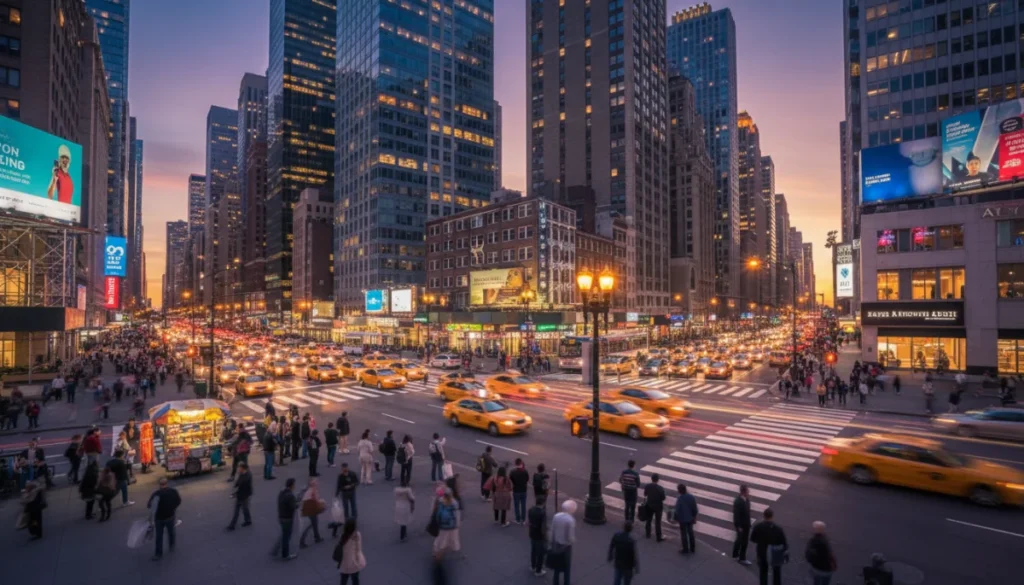
Planning your 2026 US city break requires meticulous attention to detail to ensure a memorable and stress-free experience, avoiding common travel pitfalls.
Embarking on a US city break promises excitement and discovery, but even the most seasoned travelers can stumble. This expert checklist aims to help you avoid these 7 common mistakes when planning your US city break in 2026, ensuring your urban adventure is nothing short of spectacular. Are you ready to transform potential pitfalls into perfect memories?
Overlooking early booking and peak seasons
One of the most frequent missteps travelers make is underestimating the importance of early booking, especially when aiming for a US city break in 2026. Major US cities are popular destinations year-round, but specific events, holidays, and seasons can drive demand and prices sky-high. Securing flights and accommodations well in advance isn’t just about saving money; it’s about guaranteeing availability and getting your preferred options.
Failing to consider peak seasons means you might find yourself paying exorbitant rates for hotels or even missing out on key attractions due to sold-out tickets. Researching local event calendars for your chosen city is crucial. Are you planning to visit during a major festival, a sporting event, or a national holiday? These periods often lead to increased crowds and higher costs, impacting the overall quality and budget of your trip.
The impact of timing on your budget
The financial implications of last-minute bookings can be significant. Airfares tend to increase substantially as the departure date approaches, and desirable hotels fill up, leaving only pricier or less convenient options. Strategic planning can save you hundreds, if not thousands, of dollars.
- Flight Flexibility: Use flight comparison tools with flexible date options to identify the cheapest days to fly.
- Accommodation Alerts: Sign up for price alerts from hotels and booking sites for your target dates.
- Event Calendars: Check the city’s official tourism website for major events, conferences, or holidays that might coincide with your trip.
By taking a proactive approach to booking, you not only secure better deals but also reduce stress, allowing you to focus on the exciting aspects of your upcoming city break. Remember, a little foresight goes a long way in crafting a smooth and budget-friendly experience.
Neglecting a detailed itinerary and realistic pacing
Many travelers arrive in a new city with a loose idea of what they want to see, only to realize they’ve either overscheduled or underscheduled their days. A well-structured, yet flexible, itinerary is paramount for a successful US city break. Without one, you risk wasting precious time deciding what to do next, or worse, missing out on must-see attractions due to poor time management.
The key is to strike a balance between ambition and realism. It’s tempting to cram every famous landmark and museum into a single day, but this often leads to exhaustion and a superficial experience. Instead, focus on a few key areas or themes each day, allowing ample time for exploration, relaxation, and spontaneous discoveries.
Crafting a practical daily schedule
When planning your itinerary, consider travel times between locations, queue lengths at popular attractions, and even meal breaks. Rushing from one place to another can be more stressful than enjoyable. Build in buffer time for unexpected delays or simply to linger longer at a spot you particularly enjoy.
- Group Attractions by Location: Plan activities in geographical clusters to minimize travel time.
- Factor in Travel: Account for public transport, walking, or taxi times between each stop.
- Allocate Downtime: Include breaks for coffee, snacks, or simply people-watching to avoid burnout.
A detailed itinerary doesn’t mean every minute is planned; it means you have a clear framework, allowing for flexibility. This approach ensures you experience the city at a comfortable pace, absorbing its unique atmosphere rather than just ticking off a list. Remember, a city break is meant to be enjoyable, not a race.
Underestimating transportation challenges
Navigating a new city’s transportation system can be daunting, and many visitors underestimate its complexities. Relying solely on taxis or ride-shares can quickly deplete your budget, while an unfamiliar public transport network can lead to confusion and delays. Understanding the local options before you arrive is crucial for efficient and cost-effective travel within your US city break destination.
Each major US city has its own unique transportation landscape, from New York’s extensive subway system to San Francisco’s cable cars and Chicago’s ‘L’ train. Failing to research these options can leave you stranded or spending unnecessary money. Consider factors like peak hour congestion, service frequency, and accessibility.
Mastering local transit
Before your trip, look into purchasing multi-day passes or reloadable cards for public transit. Many cities offer visitor passes that provide unlimited rides for a set period, offering both convenience and savings. Apps like Google Maps or Citymapper are invaluable for real-time navigation and route planning.
- Research Public Transit: Understand the subway, bus, or light rail systems available.
- Consider Passes: Look for multi-day passes or travel cards to save money.
- Walkability: Identify areas that are easily walkable to reduce reliance on transport.
By familiarizing yourself with the city’s transportation options, you empower yourself to move around efficiently and economically, making the most of your time. Don’t let transportation woes detract from your urban exploration; plan ahead and travel smart.

Ignoring local customs and etiquette
While the US is generally welcoming, each city has its own nuances in terms of social customs and etiquette. Overlooking these unwritten rules can lead to awkward situations or, in some cases, unintentionally offend locals. Being aware of and respecting local norms enhances your experience and helps you blend in more seamlessly during your US city break.
For example, tipping culture is deeply ingrained in the US service industry, and failing to tip appropriately can be seen as disrespectful. Similarly, understanding pedestrian rules, noise levels in certain neighborhoods, or even how to queue politely can make a big difference in your interactions and overall enjoyment of the city.
Navigating social norms
A quick online search for ‘local etiquette in [city name]’ can provide valuable insights. Pay attention to how locals behave in restaurants, on public transport, and in public spaces. Observing and adapting to these subtle cues shows respect and can lead to more positive interactions.
- Tipping: Understand standard tipping percentages for various services (restaurants, taxis, hotels).
- Personal Space: Be mindful of personal space, especially in crowded urban environments.
- Noise Levels: Be aware of noise ordinances, particularly late at night in residential areas.
Embracing local customs isn’t about changing who you are, but rather showing consideration and appreciation for the culture you’re visiting. This thoughtful approach will enrich your travel experience and foster more meaningful connections with the city and its inhabitants.
Packing incorrectly for varied city weather
US cities, particularly those with diverse climates or located in regions known for unpredictable weather, can present packing challenges. Many travelers make the mistake of packing solely for one type of weather, only to be caught off guard by sudden temperature drops, unexpected rain, or heatwaves. Incorrect packing can lead to discomfort, unnecessary purchases, and a less enjoyable US city break.
Even within a single day, urban weather can shift dramatically. A sunny morning might give way to an afternoon thunderstorm, or a warm day could transition into a chilly evening. Checking the forecast for your entire trip duration, and then packing versatile layers, is essential. Don’t assume that because it’s summer, you won’t need a light jacket or umbrella.
Smart layering strategies
The key to successful city packing is versatility. Choose clothes that can be easily layered, mixed, and matched. Opt for comfortable walking shoes, as you’ll likely be doing a lot of exploring on foot. Consider quick-drying fabrics if rain is a possibility, and always include an umbrella or compact rain jacket.
- Check Forecast Regularly: Monitor the weather forecast up until the day of departure.
- Pack Layers: Include items like t-shirts, long-sleeved shirts, sweaters, and a light jacket.
- Comfortable Footwear: Prioritize comfortable, broken-in walking shoes for extensive urban exploration.
By preparing for a range of weather conditions, you ensure comfort and readiness for whatever the city throws your way. Proper packing allows you to focus on enjoying your adventures, rather than worrying about being too hot, too cold, or soaking wet.
Forgetting travel insurance and emergency plans
It’s easy to get caught up in the excitement of planning a US city break and overlook the less glamorous, but critically important, aspects like travel insurance and emergency preparedness. Many travelers assume nothing will go wrong, but unexpected events—from lost luggage and flight delays to medical emergencies—can quickly derail a trip and lead to significant financial strain without proper coverage.
Travel insurance provides a safety net for various unforeseen circumstances. This isn’t just about major medical incidents; it can also cover trip cancellations, interruptions, or even rental car damage. Thinking through potential emergencies and having a plan in place offers peace of mind and ensures you’re ready to respond effectively.
Preparing for the unexpected
Before you depart, thoroughly research travel insurance options and choose a policy that suits your needs. Understand what is covered and what isn’t, and keep all policy details accessible. Beyond insurance, create a small emergency kit with essential contacts, copies of important documents, and any necessary medications.
- Purchase Travel Insurance: Ensure coverage for medical emergencies, trip cancellations, and lost luggage.
- Emergency Contacts: Have a list of emergency contacts, including family, doctor, and embassy/consulate.
- Document Copies: Keep digital and physical copies of your passport, visa, and insurance details separate from originals.
While we all hope for a smooth journey, being prepared for the unexpected is a hallmark of a responsible traveler. Investing in travel insurance and having an emergency plan protects both your finances and your well-being, allowing you to enjoy your city break with confidence.
Ignoring local food scenes and hidden gems
A common mistake is sticking to tourist traps and chain restaurants, missing out on the authentic culinary experiences and unique local spots that truly define a city. Many travelers arrive with a list of famous landmarks but forget to research the vibrant food scene or the lesser-known, charming neighborhoods that offer a different perspective on their US city break.
Major US cities are melting pots of culture and cuisine. Limiting yourself to widely advertised eateries often means sacrificing quality, authenticity, and a chance to truly connect with the local flavor. The best experiences are often found off the beaten path, in family-run restaurants, bustling food markets, or quirky independent shops.
Discovering authentic local experiences
Before your trip, delve into local food blogs, community forums, or reputable food review sites to uncover hidden culinary treasures. Ask locals for recommendations – bartenders, shopkeepers, or even your hotel concierge can provide invaluable insights. Explore neighborhoods beyond the main tourist areas to find unique boutiques, art galleries, and cafes.
- Research Local Eateries: Look beyond mainstream chains for authentic local restaurants and cafes.
- Visit Food Markets: Explore farmers’ markets or food halls for diverse culinary offerings.
- Seek Local Recommendations: Don’t hesitate to ask residents for their favorite spots.
By venturing beyond the obvious, you unlock a richer, more genuine understanding of the city’s character. Engaging with the local food scene and discovering hidden gems transforms a standard tourist trip into a deeply immersive and memorable cultural experience, adding layers of authenticity to your urban adventure.
| Key Mistake | Brief Solution |
|---|---|
| Late Booking | Book flights and accommodation well in advance, especially during peak seasons. |
| Poor Itinerary | Create a balanced, flexible itinerary grouping attractions by location. |
| Transport Neglect | Research and utilize local public transportation options for efficiency. |
| Ignoring Local Gems | Seek out authentic local eateries and hidden attractions beyond tourist spots. |
Frequently asked questions about US city breaks
Generally, booking flights 2-4 months in advance offers the best prices, especially for popular US cities. For peak travel seasons or major holidays, extending this to 6 months can secure better deals and availability, avoiding last-minute price surges.
Consider staying slightly outside the absolute city center and utilizing public transport. Look for hotels offering free breakfast or kitchenettes. Booking during off-peak seasons or mid-week can also significantly reduce costs, providing more budget flexibility.
Reliability varies by city, but major US cities like New York, Chicago, and Washington D.C. boast extensive and generally reliable public transport networks. Research your specific destination’s system and consider purchasing a multi-day pass for convenience and savings.
Immediately report the loss to local police and then contact your country’s embassy or consulate in the US. Having digital and physical copies of your passport and other IDs stored separately will significantly expedite the replacement process, so always prepare these in advance.
Beyond popular review sites, explore local food blogs, community forums, and ask residents for recommendations. Venture into neighborhoods slightly off the main tourist paths. Food tours can also be an excellent way to discover hidden culinary gems and local specialties with expert guidance.
Conclusion
Planning a memorable US city break in 2026 doesn’t have to be fraught with stress or unforeseen issues. By diligently addressing these seven common mistakes—from early booking and meticulous itinerary planning to understanding local transportation and cultural nuances—you set the stage for a truly enriching and seamless adventure. Embrace the expert checklist provided, pack wisely, insure your journey, and open yourself to the authentic local experiences that await. Your next urban escape will undoubtedly be an unforgettable exploration of America’s vibrant cities.