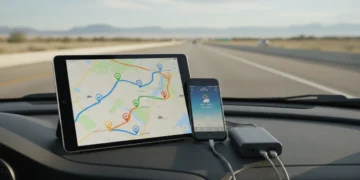
Last-Minute Road Trip Adjustments in 2026

Effectively managing last-minute road trip itinerary adjustments in 2026 requires adaptability, digital tools, and a proactive mindset to embrace unexpected changes and detours.
Embarking on a road trip offers unparalleled freedom, but even the most meticulously planned journeys can encounter the unexpected. This guide delves into the art of making last-minute road trip itinerary adjustments in 2026, providing practical strategies to navigate unforeseen changes and embrace delightful detours.
Embracing the Unpredictable: Mindset and Preparation
Road trips, by their very nature, invite spontaneity. While a solid plan is crucial, cultivating a flexible mindset is perhaps the most valuable asset for any traveler. Understanding that changes are not roadblocks but opportunities can transform a potentially stressful situation into an exciting new adventure.
The Psychology of Flexibility
Adopting a ‘go with the flow’ attitude doesn’t mean abandoning all plans; rather, it means being mentally prepared to pivot. This psychological readiness minimizes frustration when faced with road closures, sudden weather shifts, or unexpected attractions that beckon you off your original path.
- Anticipate potential disruptions like weather, traffic, or unexpected closures.
- View detours as chances to discover hidden gems.
- Prioritize safety and well-being over strict adherence to a schedule.
- Communicate openly with travel companions about changes.
Preparation extends beyond just packing your bags; it involves mentally preparing for the journey’s inherent uncertainties. By doing so, you equip yourself with the resilience needed to handle any last-minute adjustments gracefully.
Ultimately, the goal is not to avoid changes, but to master how you react to them. A flexible mindset allows you to maintain the joy of the journey, even when the path takes an unexpected turn.
Leveraging Technology for Real-Time Adjustments
In 2026, technology is your greatest ally in making swift and informed last-minute road trip itinerary adjustments. From advanced navigation apps to real-time weather alerts, digital tools can provide the information you need to make smart decisions on the fly.
Essential Apps and Tools
Modern smartphones are powerful command centers for road trippers. Navigation apps now offer predictive traffic analysis and suggest alternative routes based on live data. Weather applications provide hyper-local forecasts, allowing you to avoid storms or capitalize on clear skies.
- GPS Navigation: Waze, Google Maps, or Apple Maps for real-time traffic and route optimization.
- Weather Apps: AccuWeather or The Weather Channel for precise, up-to-the-minute forecasts.
- Road Condition Apps: State DOT apps or services like Drive Safe & Save for alerts on construction, accidents, and road closures.
- Accommodation Finders: Booking.com, Airbnb, or HotelTonight for spontaneous lodging.
Beyond navigation and weather, apps for finding gas stations, electric vehicle charging points, and even local dining recommendations can be invaluable. Integrating these tools into your travel routine ensures you’re always connected and informed, ready to make necessary changes.
The key is to not just have these tools, but to actively use them. Regularly checking for updates and cross-referencing information from multiple sources can prevent major headaches and open up new possibilities.
Communication and Collaboration on the Road
When unexpected changes arise, clear communication with your travel companions is paramount. Collaborative decision-making can transform a potential conflict into a shared problem-solving experience, strengthening bonds and ensuring everyone remains engaged and positive.
Effective Group Decision-Making
Before hitting the road, establish a system for how decisions will be made, especially regarding detours or changes in lodging. This could involve designating a “chief navigator” or having open discussions where everyone’s input is valued. Transparency about budgets and preferences is also vital.
When a change is necessary, present the facts calmly. Explain why an adjustment is needed and offer potential solutions. Encourage everyone to voice their concerns or alternative ideas. This inclusive approach ensures that everyone feels heard and invested in the new plan.

The discussion should focus on finding the best path forward, not on assigning blame for the unexpected. Remember, the journey is meant to be enjoyed together, and navigating challenges as a team is part of the adventure.
By fostering an environment of open communication and mutual respect, you can turn any last-minute adjustment into an opportunity for collective growth and memorable shared experiences, making the road trip even more fulfilling.
Budgeting for the Unexpected: Financial Flexibility
One of the most common stressors associated with last-minute road trip itinerary adjustments is the financial impact. Allocating a contingency budget specifically for unforeseen expenses can alleviate this worry and provide the freedom to adapt without breaking the bank.
Creating a Buffer Fund
Before your trip, set aside a portion of your overall travel budget as an emergency fund. This fund can cover anything from an unexpected night’s stay due to a road closure to a higher-than-anticipated cost for a spontaneous activity. A good rule of thumb is to allocate 10-15% of your total budget for contingencies.
- Emergency Lodging: Funds for unexpected overnight stays.
- Fuel Price Fluctuations: Extra money for rising gas prices or detours.
- Vehicle Repairs: A small buffer for minor car troubles.
- Spontaneous Activities: Funds for unexpected attractions or experiences.
Having this financial cushion provides peace of mind and allows you to make decisions based on practicality and enjoyment, rather than being constrained by immediate costs. It empowers you to say “yes” to an exciting detour or to comfortably handle an unforeseen expense.
Monitoring your spending throughout the trip and adjusting your budget as needed is also important. Digital budgeting apps can help track expenses in real-time, ensuring you stay within your financial comfort zone even when plans change.
Safety First: Prioritizing Well-being During Detours
While spontaneity is exciting, safety should always be the top priority when making last-minute road trip itinerary adjustments. This involves assessing the risks of new routes, being aware of your surroundings, and ensuring your vehicle is always in good condition.
Assessing New Routes and Conditions
Before committing to a detour, take a moment to evaluate the new path. Check road conditions, weather forecasts for the altered route, and consider the time of day. Avoid unpaved or poorly maintained roads, especially at night, unless you are adequately prepared.
Always inform someone of your updated route, even if it’s just a quick text message to a family member or friend. This ensures that someone knows your general whereabouts should an emergency arise. Having a fully charged phone and a portable charger is also non-negotiable.
Regular vehicle checks, such as tire pressure, fluid levels, and brake functionality, become even more critical when venturing into the unknown. A well-maintained vehicle reduces the risk of breakdowns and enhances your overall safety.
By prioritizing safety and making informed decisions, you can enjoy the thrill of a spontaneous detour without compromising your well-being or that of your travel companions.
Case Studies: Learning from Real-World Adjustments
Understanding how others have successfully navigated last-minute road trip itinerary adjustments can provide valuable insights. Real-world examples highlight the diverse challenges travelers face and the creative solutions they employ.
Stories of Adaptability
Consider Sarah’s trip through the Pacific Northwest. A sudden landslide closed her planned route through a national park. Instead of turning back, she used her navigation app to find an alternative scenic highway, which led her to a charming coastal town she hadn’t known existed. This unexpected detour became one of the highlights of her trip, offering stunning ocean views and fresh seafood.
Another example is the Miller family, who were driving cross-country when their car developed an unforeseen mechanical issue. They used a mechanic-finder app to locate a reputable repair shop in a nearby town. While the car was being serviced, they explored the local history museum and enjoyed a picnic in a quaint park, turning a setback into a pleasant cultural experience.
These stories underscore the importance of preparation, technological literacy, and a positive attitude. They demonstrate that while unexpected events can be disruptive, they also hold the potential for discovery and enrichment, making the journey truly unique.
Learning from these experiences helps build confidence in your own ability to adapt, ensuring that your next road trip is not just a journey from point A to B, but a flexible and memorable exploration of the unexpected.
Post-Adjustment Reflection: Learning for Future Trips
After successfully navigating a last-minute adjustment, taking time to reflect on the experience can provide invaluable lessons for future road trips. What worked well? What could have been handled differently? This reflective practice enhances your expertise as a traveler.
Analyzing Your Adaptations
Consider the tools you used: Did your navigation app provide accurate information? Was your communication with companions effective? Evaluate the emotional impact: How did you and your group handle the stress of the change? Identifying areas for improvement helps refine your approach to future uncertainties.
- Document the unexpected event and how it was resolved.
- Note which apps or resources proved most useful.
- Reflect on the emotional responses and communication strategies.
- Identify any gaps in your preparation that can be addressed next time.
This systematic review isn’t about dwelling on negatives, but about extracting actionable insights. Perhaps you realize the need for a more robust offline map solution, or that establishing a clear leader for decision-making would be beneficial.
By consciously learning from each experience, you transform every unexpected detour into a valuable lesson. This continuous improvement ensures that each subsequent road trip is smoother, more enjoyable, and truly your own unique adventure, even with last-minute road trip itinerary adjustments.
| Key Point | Brief Description |
|---|---|
| Flexible Mindset | Embrace unexpected changes as opportunities for discovery, not setbacks. |
| Tech Utilization | Use real-time apps for navigation, weather, and road conditions. |
| Contingency Budget | Allocate funds for unexpected expenses like lodging or repairs. |
| Safety Protocols | Prioritize well-being by checking new routes and informing others of changes. |
Frequently Asked Questions About Road Trip Adjustments
Use real-time navigation apps like Waze or Google Maps to identify alternative routes. Check state Department of Transportation websites or apps for official closure information. Communicate with travel companions and assess the best detour based on time, safety, and interest.
Apps like Booking.com, Airbnb, and HotelTonight are excellent for finding available rooms quickly. Consider calling hotels directly for better rates or last-minute deals. Always verify reviews and location before booking, especially in unfamiliar areas.
It’s advisable to set aside 10-15% of your total road trip budget as a contingency fund. This buffer can cover unforeseen expenses like extra fuel due to detours, emergency lodging, or minor vehicle repairs, providing financial flexibility and peace of mind.
Open communication is key. Present the facts about the necessary adjustment and encourage everyone to voice their concerns or suggestions. Aim for a collaborative decision that considers everyone’s preferences and priorities, focusing on finding a mutually agreeable solution.
Always prioritize safety. Check road conditions and weather for any new routes. Inform someone of your updated plans and estimated arrival. Ensure your phone is charged, and your vehicle is well-maintained. Avoid unpaved or isolated roads, especially at night.
Conclusion
Mastering last-minute road trip itinerary adjustments in 2026 is less about avoiding the unexpected and more about embracing it with preparedness and a positive outlook. By leveraging technology, fostering open communication, budgeting wisely, and prioritizing safety, you can transform any unforeseen change or detour into an enriching part of your journey. Remember, the true spirit of a road trip lies in its adaptability and the unique stories forged along the way. So, pack your bags, prepare your mind, and get ready to explore the open road, knowing you’re equipped for whatever adventures await.