2026 Travel: Save $500 on Your Next US Trip Planning
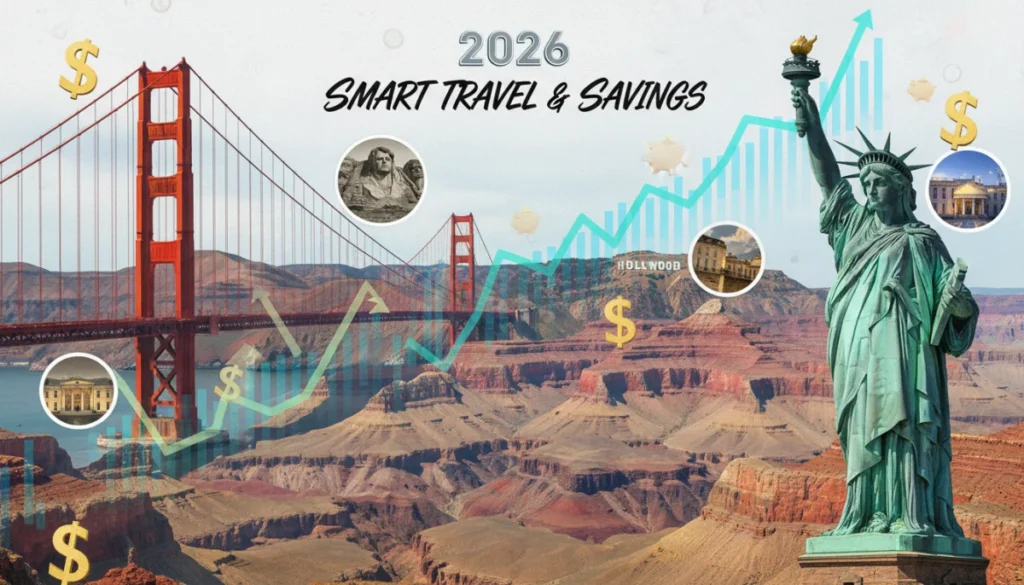
Implementing strategic planning for your 2026 US travel can significantly reduce financial impact, allowing you to save at least $500 on your next trip.
As we look towards 2026, the prospect of exploring the United States remains an exciting one for many. However, understanding the financial impact of 2026 travel: 3 ways to save $500 on your next US trip planning is paramount to turning dreams into affordable realities. This guide will equip you with actionable strategies to significantly cut costs without compromising on the quality of your adventure.
Understanding the Evolving Travel Landscape of 2026
The travel industry is dynamic, constantly influenced by economic shifts, technological advancements, and evolving consumer preferences. For 2026, several factors are poised to shape the financial landscape of US travel, making proactive planning more crucial than ever. From fluctuating fuel prices affecting airfares to changing accommodation demands, being informed is the first step toward smart savings.
Anticipating these trends allows travelers to make more informed decisions, securing better deals and avoiding last-minute surcharges. The key lies in foresight and flexibility, adapting your travel approach to align with the market’s pulse rather than reacting to it. This section delves into the macro factors influencing 2026 travel costs.
Economic Forecasts and Their Influence on Travel
Global and national economic conditions directly impact travel expenditures. Inflation rates, currency valuations, and consumer spending power all play a role in determining the cost of flights, hotels, and activities. A stable economic outlook might lead to more competitive pricing, while uncertainty could drive prices up as providers seek to mitigate risks.
- Inflation: Monitor projected inflation rates as they can erode purchasing power for travel.
- Fuel Prices: Keep an eye on global oil markets; aviation fuel costs are a major component of airfare.
- Consumer Confidence: High consumer confidence often translates to increased demand, potentially raising prices.
Understanding these broader economic indicators provides a framework for predicting potential cost changes. Travelers who track these trends can often identify optimal booking windows, capitalizing on periods of lower demand or more favorable pricing structures. This strategic awareness can be a powerful tool in mitigating the overall financial impact of your journey.
In conclusion, the 2026 travel landscape will be shaped by a confluence of economic and industry-specific factors. By staying abreast of these trends, travelers can gain a significant advantage in planning their US trips, setting the stage for effective cost-saving measures. This foundational understanding is vital for anyone looking to optimize their travel budget.
Strategy 1: Master Early Booking and Off-Peak Travel
One of the most consistently effective ways to reduce the financial impact of travel is to embrace early booking and strategically plan for off-peak seasons. This approach leverages the principles of supply and demand, allowing you to secure better rates when demand is lower. The difference in cost between booking months in advance versus weeks can often amount to hundreds of dollars, especially for popular destinations.
Furthermore, traveling during the shoulder seasons or true off-peak periods not only saves money but also enhances the travel experience by reducing crowds and offering a more authentic feel. Flexibility in your travel dates is a powerful tool in this regard, opening up a wider array of affordable options that might otherwise be unavailable during peak times.
The Power of Advance Reservations
Airlines and hotels often release their lowest fares and rates far in advance to fill capacity. As the travel date approaches, prices tend to increase, reflecting diminishing availability and heightened demand. Booking at least 3-6 months out for domestic flights and accommodations can yield substantial savings.
- Flights: Aim to book domestic flights 2-4 months in advance for the best deals.
- Accommodations: Reserve hotels or vacation rentals 3-6 months ahead, especially for popular areas.
- Rental Cars: Book rental cars early to avoid surge pricing and ensure availability.
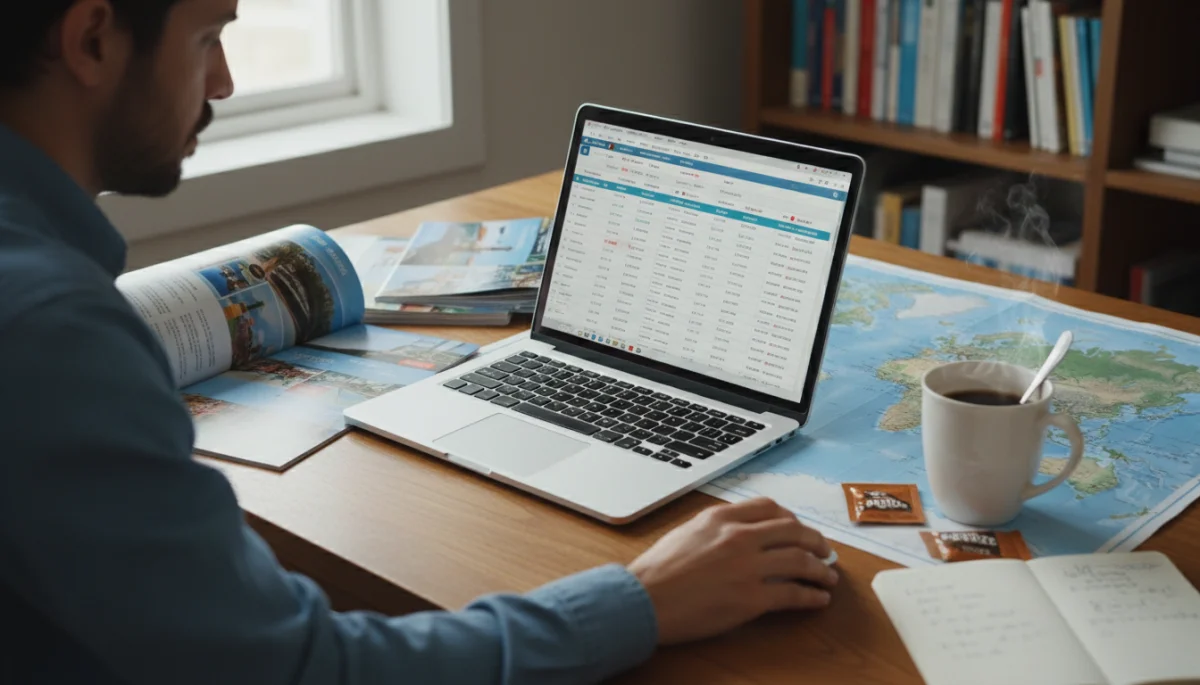
Consider setting up price alerts for flights and accommodations to notify you when prices drop. Many travel websites and apps offer this feature, taking the guesswork out of finding the optimal booking time. This proactive monitoring ensures you don’t miss out on a fleeting deal that could save you a significant amount.
Embracing Off-Peak and Shoulder Seasons
Peak travel seasons (summer, major holidays) inherently come with higher prices due to increased demand. Shifting your travel dates to the shoulder seasons (spring and fall) or even true off-peak periods can dramatically cut costs. Not only are prices lower, but destinations are also less crowded, offering a more relaxed and enjoyable experience.
For example, visiting national parks in late spring or early fall can provide pleasant weather, fewer tourists, and reduced accommodation rates. Similarly, major cities often have lower hotel prices during winter months, outside of holiday spikes. Researching the specific peak and off-peak times for your desired destination is crucial for maximizing these savings.
In summary, mastering early booking and embracing off-peak travel dates are cornerstone strategies for minimizing the financial impact of your 2026 US trip. These methods require a bit of foresight and flexibility but offer tangible savings that can easily exceed $500, freeing up your budget for experiences rather than inflated costs.
Strategy 2: Smart Accommodation and Transportation Choices
Beyond flights, accommodation and in-destination transportation represent significant portions of any travel budget. Making smart choices in these areas can lead to substantial savings, helping you reach your $500 goal. This involves looking beyond traditional hotels and exploring alternative lodging, as well as optimizing your movement within your chosen destination.
The market for travel services is diverse, offering a multitude of options for every budget. The key is to be resourceful and open to different experiences, understanding that luxury isn’t always synonymous with enjoyment, and often, more economical choices can provide unique and memorable adventures.
Exploring Alternative Accommodations
Traditional hotels are not the only option for a comfortable stay. Vacation rentals, hostels, and even house-sitting opportunities can offer significant savings, especially for longer trips or group travel. These alternatives often come with added benefits like kitchen facilities, which further reduce costs by allowing for home-cooked meals.
- Vacation Rentals: Platforms like Airbnb or Vrbo can be cheaper than hotels, especially for families or longer stays.
- Hostels: Ideal for solo travelers or those on a very tight budget, offering private rooms or dorms.
- Camping/RV Travel: For nature lovers, national and state parks offer affordable camping options, or consider renting an RV for a road trip.
When booking alternative accommodations, always check reviews thoroughly and understand cancellation policies. This due diligence ensures a positive experience and avoids unexpected financial pitfalls. Leveraging these options can drastically cut down on nightly rates, contributing significantly to your overall savings target.
Optimizing In-Destination Transportation
How you get around once you’ve reached your destination can also impact your budget. While rental cars offer flexibility, rideshares, public transport, and even walking or biking can be more economical, depending on the location and your itinerary. Consider the cost of gas, parking, and insurance when factoring in a rental car.
Many major US cities boast excellent public transportation networks, including subways, buses, and light rail. Purchasing multi-day passes can be a cost-effective way to navigate urban areas. For shorter distances, walking or renting a bicycle not only saves money but also provides a unique way to experience a new place and stay active.
In conclusion, by making conscious choices about where you sleep and how you move, you can unlock considerable savings on your 2026 US trip. Combining alternative accommodations with smart transportation planning ensures your budget stretches further, allowing for more experiences rather than just covering basic expenses.
Strategy 3: Savvy Food Choices and Activity Planning
Food and activities are often overlooked budgetbusters, yet they offer immense potential for cost savings. Dining out for every meal and paying full price for every attraction can quickly deplete your travel funds. With a bit of planning and a willingness to explore local options, you can significantly reduce these expenses and still enjoy delicious cuisine and memorable experiences.
The goal is not to deprive yourself but to be strategic about where and how you spend your money. This involves balancing experiences with practicality, ensuring that every dollar spent contributes meaningfully to your trip’s enjoyment without overextending your budget.
Budget-Friendly Dining Strategies
Eating out is a significant expense, but it doesn’t have to break the bank. Balancing restaurant meals with grocery store visits and picnic lunches can lead to substantial savings. Exploring local markets and food trucks can also offer authentic culinary experiences at a fraction of the cost of fine dining.
- Cook Your Own Meals: If your accommodation has a kitchen, utilize it for breakfast and some dinners.
- Picnics and Packed Lunches: Prepare sandwiches and snacks for daytime excursions instead of buying them on the go.
- Happy Hour Deals: Look for restaurant happy hour specials for discounted food and drinks.
- Local Eateries: Seek out establishments popular with locals, which often offer better value than tourist traps.
Hydration is another area where costs can add up. Carry a reusable water bottle and refill it whenever possible, avoiding the expense of constantly buying bottled water. These small changes in daily habits can collectively save you a considerable amount over the course of your trip.
Discounted Activities and Free Attractions
Many popular attractions offer discounts for booking online in advance, or through city passes. Additionally, countless free activities are available in every destination, from parks and hiking trails to free museum days and self-guided walking tours. Researching these options beforehand can save you money and often lead to unique discoveries.
Check for student, senior, or military discounts if applicable. Many cities also have free walking tours that operate on a tip-only basis, providing an insightful introduction to the area. Prioritizing experiences that align with your budget ensures you make the most of your trip without overspending on every single activity.
In essence, thoughtful planning around food and activities can significantly contribute to saving $500 on your 2026 US trip. By making conscious choices about dining and seeking out affordable or free entertainment, you can enjoy a rich and fulfilling travel experience without financial strain.
Leveraging Technology for Enhanced Savings
In the modern travel landscape, technology is an indispensable ally in the quest for savings. From price comparison websites to specialized apps, digital tools can help you track deals, manage budgets, and discover hidden gems that align with your financial goals. Embracing these resources can amplify your saving efforts across all aspects of your 2026 US trip planning.
The sheer volume of information available online can be overwhelming, but by focusing on reputable and effective platforms, you can streamline your research and make informed decisions. This proactive use of technology empowers you to be a savvier traveler, ensuring you get the best value for your money.
Price Comparison Tools and Alerts
Utilizing flight and hotel comparison websites is fundamental. These platforms aggregate data from numerous providers, allowing you to quickly identify the most competitive prices. Beyond simple comparison, many offer price alert features that notify you when fares drop for your desired routes or accommodations.
- Flight Aggregators: Use sites like Google Flights, Skyscanner, or Kayak to compare airfares across multiple airlines.
- Hotel Comparison: Check Booking.com, Hotels.com, or Trivago for the best hotel deals.
- Rental Car Search Engines: Sites like Rentalcars.com or AutoSlash can find the cheapest car rentals.
Setting up these alerts well in advance ensures you are always aware of potential savings opportunities. The ability to monitor price fluctuations without constant manual checking is a significant time-saver and a powerful budget-management tool. Timely action based on these alerts can easily translate into hundreds of dollars saved.
Budgeting Apps and Local Deal Finders
Beyond booking, technology can help manage your budget on the go. Travel budgeting apps allow you to track your spending, categorize expenses, and stay within your financial limits. Additionally, local deal-finding apps can alert you to discounts on dining, activities, and shopping in your immediate vicinity.
Exploring apps like Groupon or LivingSocial for local deals can uncover significant discounts on restaurants, spas, and experiences. Similarly, apps focused on public transportation can help you navigate cities efficiently and cost-effectively, avoiding expensive taxis or rideshares. These tools empower you to make spontaneous yet budget-conscious decisions during your travels.
Ultimately, leveraging technology effectively provides a robust framework for enhancing your savings. By utilizing price comparison tools, setting up alerts, and employing budgeting apps, you can navigate the complexities of 2026 US travel with greater financial control and confidence, making your $500 saving goal highly achievable.
Minimizing Hidden Costs and Maximizing Rewards
While major expenses like flights and accommodations often grab the most attention, hidden costs can silently erode your travel budget. Baggage fees, ATM charges, and unforeseen expenses can quickly add up. Conversely, savvy travelers can leverage credit card rewards and loyalty programs to offset costs, effectively turning spending into savings.
A comprehensive approach to financial planning for your 2026 US trip involves not just cutting obvious expenses but also proactively mitigating less apparent ones and maximizing every opportunity for financial gain or discount. This dual strategy ensures that every dollar works harder for you.
Avoiding Unexpected Fees and Charges
Many airlines charge for checked baggage, seat selection, and even carry-on bags on basic economy fares. Researching these policies before booking can help you choose airlines with more favorable terms or encourage you to pack lighter to avoid fees. Similarly, be aware of resort fees at hotels, which are often not included in the initial quoted price.
- Baggage Fees: Check airline baggage policies and consider packing light or using a travel credit card with baggage benefits.
- ATM Fees: Use fee-free ATMs or withdraw larger sums less frequently to minimize charges.
- Foreign Transaction Fees: Use a credit card with no foreign transaction fees if traveling internationally.
Travel insurance is another often-overlooked cost that can save you significant money in the event of unexpected cancellations, medical emergencies, or lost luggage. While an upfront expense, it provides peace of mind and protection against potentially much larger financial setbacks, making it a wise investment for your 2026 US trip.
Harnessing Credit Card Rewards and Loyalty Programs
Travel credit cards can be a powerful tool for saving money, offering points, miles, or cashback on travel-related purchases. Many cards also come with sign-up bonuses that can be worth hundreds of dollars in free flights or hotel stays. Additionally, joining hotel and airline loyalty programs can earn you free nights, upgrades, and other perks.
It’s crucial to use credit cards responsibly to avoid interest charges, which would negate any rewards earned. Pay off your balance in full each month. Strategically accumulating points and miles throughout the year can significantly reduce the cash outlay for your 2026 US trip, turning everyday spending into future travel benefits.
In conclusion, a meticulous approach to minimizing hidden costs and actively leveraging rewards programs can significantly contribute to your $500 savings goal. These strategies require attention to detail and consistent effort but ultimately lead to a more financially sound and enjoyable travel experience, enhancing the overall value of your journey.
Crafting Your Personalized 2026 US Travel Budget
The ultimate goal of all these strategies is to empower you to create a realistic and effective budget for your 2026 US trip. A well-planned budget isn’t about restricting enjoyment; it’s about making conscious choices that align with your financial goals and maximize your travel experience. This involves breaking down your trip into key spending categories and allocating funds accordingly.
Think of your budget as a roadmap for your money, guiding your decisions before and during your journey. By understanding where your money is going, you can identify areas for further optimization and ensure you stay within your desired spending limits, ultimately achieving your $500 savings target.
Categorizing Your Travel Expenses
Start by listing all potential expenses, from pre-trip costs to on-the-ground spending. Common categories include flights, accommodations, transportation (rental car, public transport, rideshares), food (restaurants, groceries), activities/attractions, and miscellaneous (souvenirs, emergency fund). Assign an estimated cost to each category.
- Pre-Trip: Flights, travel insurance, visa fees (if applicable).
- Accommodation: Hotels, vacation rentals, camping fees.
- Transportation: Rental car, gas, public transport passes, rideshares.
- Food & Drink: Restaurant meals, groceries, snacks, beverages.
- Activities: Attraction tickets, tours, entertainment.
- Miscellaneous: Souvenirs, tips, emergency fund.
Once you have a clear breakdown, you can begin to apply the saving strategies discussed earlier to each category. For example, by choosing a vacation rental with a kitchen, you can reduce your food budget. Opting for public transport over a rental car can significantly cut down on transportation costs.
Monitoring and Adjusting Your Budget
A budget isn’t a static document; it’s a living plan that requires monitoring and occasional adjustments. Use a budgeting app or a simple spreadsheet to track your spending in real-time during your trip. This allows you to see where you stand financially and make necessary adjustments to avoid overspending.
If you find yourself going over budget in one area, look for opportunities to cut back in another. This flexibility is key to successful budget management. Remember, the goal is to enjoy your trip without financial stress, and a well-managed budget is your best tool for achieving that balance.
In conclusion, crafting and adhering to a personalized travel budget is the culmination of effective financial planning for your 2026 US trip. By categorizing expenses, diligently monitoring your spending, and making timely adjustments, you empower yourself to save $500 or more, ensuring a memorable and financially sound adventure across the United States.
| Key Strategy | Savings Impact |
|---|---|
| Early Booking & Off-Peak Travel | Secures lower prices for flights and accommodations by leveraging advance purchase discounts and reduced demand periods. |
| Smart Accommodation & Transport | Reduces daily expenses through alternative lodging options and cost-effective local transportation methods. |
| Savvy Food & Activity Planning | Minimizes dining and entertainment costs via home-cooked meals, happy hours, and free/discounted attractions. |
| Leveraging Technology & Rewards | Utilizes apps, price alerts, and credit card rewards to find deals, manage budgets, and earn travel benefits. |
Frequently Asked Questions About 2026 US Travel Savings
For optimal savings on domestic flights in 2026, it is generally recommended to book 2 to 4 months in advance. Prices tend to increase closer to the departure date, so early planning is key to securing better deals and avoiding last-minute surcharges on your itinerary.
Often, yes. Vacation rentals, especially for longer stays or group travel, can be significantly more cost-effective than traditional hotels. They frequently offer amenities like kitchens, which further reduce expenses by allowing travelers to prepare their own meals, contributing to overall savings on food costs.
To save on food, prioritize accommodations with kitchen access for cooking. Pack snacks and make your own lunches for day trips. Explore local markets and food trucks for affordable, authentic meals. Utilize happy hour deals and carry a reusable water bottle to avoid constant purchases.
Many US cities offer numerous free activities, including visiting public parks, walking historical districts, exploring free museums on specific days, or enjoying self-guided walking tours. National and state parks often have minimal or no entrance fees, providing access to stunning natural beauty without significant cost.
Yes, travel credit cards can be highly beneficial for savings. They offer points, miles, or cashback on travel-related spending, which can be redeemed for flights, hotels, or other travel expenses. Many also provide valuable perks like free checked bags or travel insurance, reducing overall trip costs if used responsibly.
Conclusion
Navigating the financial landscape of 2026 US travel doesn’t have to be daunting. By strategically implementing the three core strategies—mastering early booking and off-peak travel, making smart accommodation and transportation choices, and employing savvy food and activity planning—you are well on your way to saving at least $500 on your next US adventure. Coupled with leveraging technology and minimizing hidden costs, these approaches empower you to create a personalized budget that ensures a rich, memorable, and financially sound journey across the United States. Start planning today, and experience the joy of discovery without the burden of overspending.