2026 Cross-Country Road Trip Fuel Budget: Save 15% Smartly
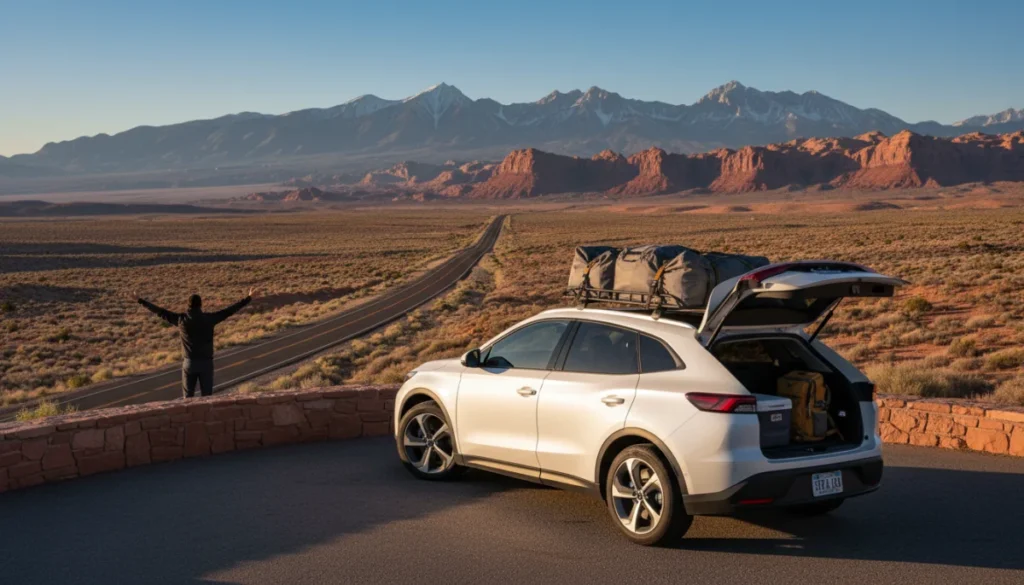
Optimizing your 2026 cross-country road trip fuel budget involves strategic planning, vehicle choice, and smart fueling habits to achieve substantial savings of 15% or more.
Embarking on a cross-country adventure is an iconic American experience, but the cost of fuel can often be a significant concern. This 2026 guide to optimizing your cross-country road trip fuel budget is designed to help you save at least 15% with new, innovative strategies, making your journey more affordable and enjoyable. From pre-trip planning to on-the-road tactics, we’ll explore how to maximize your mileage and minimize your expenses.
Understanding the 2026 Fuel Landscape
The fuel market in 2026 presents unique challenges and opportunities for road trippers. Understanding these dynamics is the first step toward effective budget management. Fuel prices can fluctuate significantly based on region, time of year, and global events, making proactive planning essential.
Technological advancements in vehicle efficiency and the increasing availability of alternative fuels are also playing a larger role. While electric vehicles are gaining traction, gasoline-powered cars remain dominant for long-haul trips due to charging infrastructure limitations in many remote areas. This section will delve into how to navigate these complexities.
Regional Price Variations and Forecasting
Fuel prices are rarely uniform across the United States. States with higher taxes or limited refining capacity often see elevated costs. Utilizing apps and websites that track historical and predicted fuel prices can help you plan your refueling stops strategically.
- Research State Averages: Before you leave, check average fuel prices for the states you plan to traverse.
- Predictive Analytics: Some apps now offer short-term price predictions, helping you decide whether to fill up now or wait.
- Border Strategy: Consider filling up before crossing into states known for higher fuel costs.
Furthermore, understanding the factors that influence fuel prices, such as crude oil costs, refinery issues, and local demand, can empower you to make more informed decisions. Staying informed through reliable news sources about energy markets can provide an edge in anticipating price changes. Ultimately, a well-informed traveler is a well-prepared traveler when it comes to managing fuel costs.
Strategic Route Planning for Maximum Efficiency
Your chosen route has a profound impact on your fuel consumption. Beyond just getting from point A to point B, strategic route planning involves considering factors like elevation changes, traffic congestion, and speed limits. A seemingly shorter route might end up costing more in fuel if it involves frequent stops and starts or steep inclines.
Modern navigation tools offer advanced features that go beyond simple directions, incorporating real-time traffic data and even suggesting eco-friendly routes. Leveraging these tools effectively can lead to significant savings on your cross-country road trip fuel budget.
Avoiding Traffic and Idling
Traffic congestion is a notorious fuel guzzler. Constant braking and acceleration burn more fuel than maintaining a steady speed. Planning your travel times to avoid rush hour in major cities can make a substantial difference.
- Off-Peak Travel: Depart early in the morning or late in the evening when traffic is lighter.
- Bypass Major Cities: Where possible, opt for bypasses or alternative routes around densely populated areas.
- Real-time Navigation: Use GPS apps with live traffic updates to reroute around unexpected delays.
Idling also wastes fuel, especially with modern engines. If you anticipate being stopped for more than 30 seconds, it’s generally more fuel-efficient to turn off your engine. This small habit, accumulated over a long trip, can contribute to noticeable savings. Being mindful of these factors during your journey directly translates into a more optimized fuel expenditure.
Vehicle Maintenance: Your First Line of Defense Against High Costs
A well-maintained vehicle is inherently more fuel-efficient. Before you even hit the road, a thorough inspection and tune-up can prevent unnecessary fuel waste and potential roadside breakdowns. Think of it as an investment that pays dividends in fuel savings and peace of mind.
Ignoring basic maintenance can lead to a significant drop in fuel economy. For your cross-country road trip fuel budget, ensuring your vehicle is in top condition is not just about safety, but also about smart financial planning. This section outlines key maintenance checks.
Tire Pressure and Alignment
Underinflated tires increase rolling resistance, forcing your engine to work harder and consume more fuel. Regularly checking your tire pressure to ensure it matches the manufacturer’s recommended PSI is a simple yet effective way to save.
- Check Monthly: Inflate tires to the recommended pressure, usually found on a sticker inside the driver’s side door jamb.
- Proper Alignment: Misaligned wheels can also increase drag and reduce fuel efficiency. Have your alignment checked if you notice uneven tire wear or your vehicle pulling to one side.
- Tire Type: Consider low rolling resistance tires if you’re due for a replacement, as they can offer marginal fuel savings.
Beyond tires, ensuring your engine air filter is clean, spark plugs are in good condition, and fluids are at optimal levels all contribute to a more efficient engine. A well-oiled machine performs better and uses less fuel, directly impacting your overall expenses. These preventative measures are crucial for any long-distance travel.
Driving Habits That Save You Money
While your vehicle and route play significant roles, your personal driving habits are perhaps the most direct way to influence your fuel consumption. Aggressive driving, characterized by rapid acceleration and hard braking, is incredibly inefficient. Adopting a smoother, more consistent driving style can lead to substantial savings on your cross-country road trip fuel budget.
Many modern vehicles come with features designed to encourage eco-friendly driving, such as economy modes and real-time fuel consumption displays. Paying attention to these indicators and adjusting your driving accordingly can make a big difference over thousands of miles.
Smooth Acceleration and Braking
Think of your accelerator and brake pedals as rheostats, not on/off switches. Gradual acceleration and anticipating stops allow your vehicle to operate more efficiently.
- Maintain Steady Speeds: Use cruise control on highways to avoid unnecessary speed fluctuations.
- Anticipate Traffic: Look far ahead to anticipate traffic slowdowns, allowing you to gradually lift off the accelerator rather than sudden braking.
- Avoid Jackrabbit Starts: Rapid acceleration from a stop wastes a considerable amount of fuel.
Furthermore, reducing your speed slightly on highways can also improve fuel economy. While it might add a few minutes to your journey, driving at 65 mph instead of 75 mph can significantly reduce aerodynamic drag and fuel consumption. It’s a trade-off that often makes financial sense for budget-conscious travelers.
Smart Fueling Strategies and Technology
Beyond how you drive, where and when you fuel up can also impact your budget. The rise of fuel price comparison apps and loyalty programs has revolutionized how travelers approach refueling. Leveraging these tools can help you find the best prices and earn rewards, further optimizing your cross-country road trip fuel budget.
It’s no longer just about pulling into the first gas station you see. A little research before each fill-up can lead to tangible savings, especially when multiplied over a long journey. This section explores how technology and smart choices can reduce your refueling costs.
Using Fuel Price Apps and Loyalty Programs
Several mobile applications are dedicated to helping drivers find the cheapest gas prices in their vicinity. These apps often update in real-time, providing accurate information that can guide your refueling decisions.
- GasBuddy, Waze, and AAA: These apps provide real-time gas prices, allowing you to compare options along your route.
- Loyalty Programs: Many gas station chains and grocery stores offer loyalty programs that provide discounts per gallon or points that can be redeemed for savings. Sign up before your trip.
- Credit Card Rewards: Some credit cards offer bonus rewards on gas purchases, effectively reducing your overall fuel cost.
Additionally, consider the time of day you fill up. Fuel is denser when it’s cooler, so filling up in the morning or evening might give you a tiny bit more for your money, though the impact is often negligible compared to price shopping. The primary benefit comes from actively seeking out the lowest prices available. These small, consistent efforts compound over time to create significant savings.
Packing Light and Aerodynamics
The weight and aerodynamic profile of your vehicle directly influence its fuel efficiency. Every extra pound of cargo and every piece of externally mounted gear increases the effort required by your engine, leading to higher fuel consumption. For a cross-country trip, where you might be carrying a lot of luggage, this becomes a critical consideration for your cross-country road trip fuel budget.
Minimizing weight and reducing drag are often overlooked aspects of fuel economy. A streamlined vehicle uses less energy to move through the air, especially at highway speeds. Thinking strategically about what you pack and how you pack it can yield unexpected savings.
Reduce Excess Weight and Drag
Before you leave, critically evaluate everything you plan to bring. Do you truly need it? Removing unnecessary items can lighten your load.
- Unload Unnecessary Items: Don’t carry tools, sports equipment, or other heavy items you won’t use on the trip.
- Roof Racks and Cargo Boxes: While convenient, these create significant aerodynamic drag. If possible, store items inside the vehicle or consider a rear-mounted cargo carrier which can be more aerodynamic.
- Window Position: Driving with windows down at highway speeds increases drag. Use your air conditioning sparingly instead.
Even small changes, like removing a bike rack when not in use or ensuring your luggage is packed efficiently inside the car, can contribute to better fuel economy. The goal is to make your vehicle as light and slippery as possible, reducing the resistance it faces from both gravity and air. This meticulous approach to packing ensures that every gallon of fuel takes you further.
Embracing Technology for Ongoing Savings
The landscape of automotive technology is constantly evolving, offering new tools and features that can assist in managing your fuel budget. From advanced driver-assistance systems to sophisticated fuel tracking apps, these innovations empower you to make data-driven decisions throughout your journey. Integrating these technologies into your road trip planning and execution is a smart move for any traveler looking to save.
Beyond just finding cheap gas, these tools provide insights into your driving habits and vehicle performance, allowing for continuous optimization of your cross-country road trip fuel budget. Staying abreast of these advancements ensures you’re always using the most effective strategies.
In-Car Telematics and Eco-Driving Modes
Many modern vehicles come equipped with telematics systems that monitor and provide feedback on your driving style. These systems can highlight inefficiencies and suggest improvements.
- Eco-Driving Modes: Activate your vehicle’s eco-mode, if available, which often adjusts engine and transmission settings for optimal fuel efficiency.
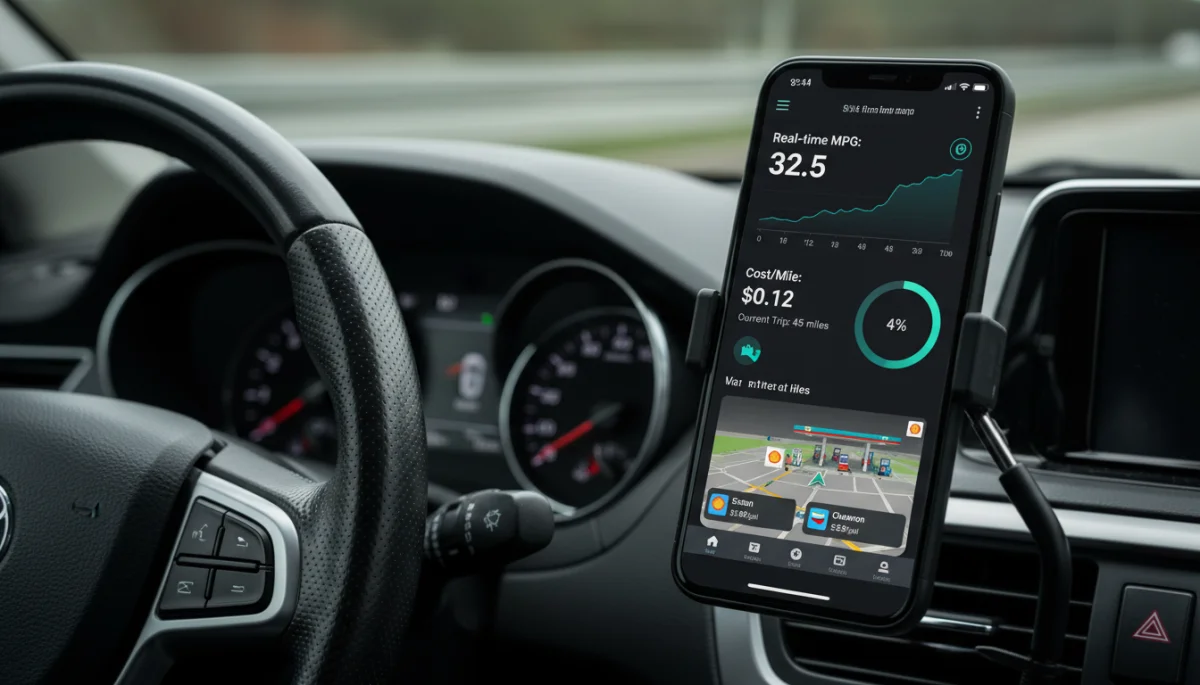
- Real-time Fuel Economy Displays: Pay attention to your car’s instant and average MPG readings to understand how your driving impacts consumption.
- Predictive Cruise Control: Some advanced systems use GPS and road data to adjust speed for upcoming inclines or declines, further optimizing fuel use.
Furthermore, OBD-II (On-Board Diagnostics) scanners and accompanying apps can provide even deeper insights into your vehicle’s performance. By connecting a small device to your car’s diagnostic port, you can monitor engine parameters that affect fuel economy, identify potential issues early, and understand how different driving conditions impact your efficiency. This level of detail allows for highly personalized and effective fuel-saving strategies, making every mile count towards your budget goals.
| Key Strategy | Benefit to Fuel Budget |
|---|---|
| Pre-trip Vehicle Check | Ensures optimal engine performance and tire efficiency, preventing unnecessary fuel waste. |
| Strategic Route Planning | Avoids traffic, excessive idling, and challenging terrains, leading to smoother, more efficient drives. |
| Smooth Driving Habits | Minimizes rapid acceleration and hard braking, significantly reducing fuel consumption. |
| Leverage Fuel Apps | Finds the lowest gas prices and utilizes loyalty programs for additional savings. |
Frequently Asked Questions About Fuel Budgeting
The most effective way is a combination of maintaining steady speeds, avoiding aggressive driving, and utilizing fuel price comparison apps. Proper vehicle maintenance, especially tire pressure, also plays a critical role in maximizing your fuel efficiency across long distances.
By consistently applying these strategies, including smart route planning, vehicle maintenance, and optimized driving habits, travelers can realistically expect to save 15% or more on their total fuel costs for a cross-country journey. Individual savings may vary based on vehicle and route.
While charging infrastructure is improving, gasoline-powered vehicles generally offer more flexibility for cross-country trips in 2026, especially in rural areas. However, for well-planned routes with ample charging stops, EVs are becoming increasingly viable and cost-effective for fuel.
Yes, using cruise control on flat or gently rolling highways helps maintain a consistent speed, which is more fuel-efficient than manual acceleration and deceleration. However, on hilly terrain, it might use more fuel as it powers up inclines to maintain speed.
It’s advisable to check your tire pressure at least once a week or every few hundred miles during a cross-country road trip. Temperature changes can affect tire pressure, and properly inflated tires are crucial for both safety and fuel efficiency.
Conclusion
Optimizing your cross-country road trip fuel budget in 2026 is entirely achievable with a combination of informed planning, diligent vehicle maintenance, and conscious driving habits. By embracing technology for route and price optimization, adopting smoother driving styles, and paying attention to vehicle aerodynamics and weight, you can significantly reduce your fuel expenses. These strategies not only save you money but also contribute to a safer and more enjoyable journey across the diverse landscapes of the United States. Prepare thoroughly, drive smart, and embark on your adventure with confidence, knowing you’ve mastered the art of fuel efficiency.