2026 Deep Dive: National Battlefield Parks & Preservation
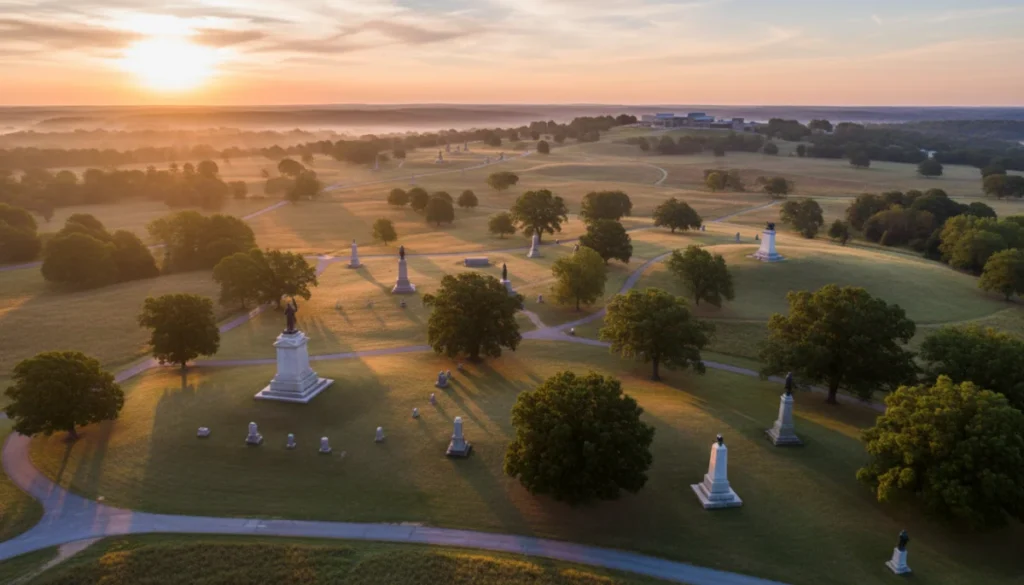
A 2026 deep dive into 3 National Battlefield Parks offers crucial historical insights and highlights essential preservation efforts for future generations.
Embarking on a journey through America’s past reveals profound stories etched into its landscapes. This 2026 Deep Dive into 3 National Battlefield Parks: Historical Insights and Preservation Efforts invites you to explore pivotal moments that shaped the nation.
The Enduring Significance of National Battlefield Parks
National Battlefield Parks serve as hallowed grounds, preserving the sites where crucial conflicts unfolded and destinies were forged. These parks are not merely historical markers; they are living classrooms, offering tangible connections to the past and fostering a deeper understanding of the sacrifices made.
Their significance extends beyond mere remembrance. They educate millions annually, providing context to contemporary issues and inspiring civic engagement. The careful stewardship of these sites ensures that the lessons of history remain accessible and impactful for future generations.
Why Preserve Battlefield Parks?
Preserving battlefield parks is a multifaceted endeavor, driven by a commitment to historical accuracy, ecological integrity, and public education. These sites are often rich in biodiversity, offering unique ecosystems alongside their historical value.
- Historical Authenticity: Maintaining the physical landscape as it existed during the conflicts helps visitors visualize and understand events more accurately.
- Educational Value: These parks provide invaluable resources for students and researchers, offering primary source material in a natural setting.
- Cultural Heritage: They are integral to America’s cultural identity, representing defining moments in the nation’s development.
- Ecological Preservation: Many battlefields encompass significant natural habitats, benefiting from conservation efforts alongside historical protection.
The commitment to these parks reflects a broader dedication to understanding our collective past. It is an investment in future enlightenment, ensuring that the narratives of valor, conflict, and reconciliation continue to resonate.
Gettysburg National Military Park: A Turning Point Remembered
Gettysburg, Pennsylvania, stands as a monumental testament to the American Civil War, specifically the Battle of Gettysburg in July 1863. This three-day engagement marked a crucial turning point, forever altering the course of the war and the nation. Visiting Gettysburg is an immersive experience, where the landscape itself tells a story of immense human struggle and sacrifice.
The park encompasses over 6,000 acres, meticulously preserved to reflect the conditions of 1863. From Little Round Top to Pickett’s Charge, every landmark holds profound historical weight, inviting reflection on the profound implications of this pivotal conflict.
Preservation Challenges at Gettysburg
Preserving Gettysburg is a continuous challenge, balancing the immense visitor traffic with the delicate nature of historical artifacts and the natural environment. The National Park Service (NPS) employs a range of strategies to maintain the park’s integrity.
Efforts include restoring historic structures, managing invasive plant species, and protecting the battlefield’s viewsheds from modern encroachment. The goal is to ensure that the visitor experience remains as authentic as possible, while also safeguarding the land for centuries to come.
- Viewshed Protection: Combating urban sprawl and development around the park to maintain the historical context of the landscape.
- Artifact Conservation: Protecting monuments, cannons, and other battlefield artifacts from weathering and human impact.
- Ecological Restoration: Reintroducing native plant species and managing water resources to reflect the 1863 environment.
- Visitor Management: Implementing strategies to accommodate millions of visitors annually without compromising the park’s resources.
The long-term preservation of Gettysburg relies heavily on public awareness, funding, and dedicated conservation efforts. It is a shared responsibility to ensure this critical site continues to educate and inspire.
Antietam National Battlefield: The Bloodiest Single Day
Antietam National Battlefield in Sharpsburg, Maryland, commemorates the Battle of Antietam, fought on September 17, 1862. This engagement remains the bloodiest single day in American military history, with over 23,000 casualties. The battle’s strategic significance was immense, leading President Lincoln to issue the preliminary Emancipation Proclamation.
The park preserves much of the original battlefield, including iconic sites like the Burnside Bridge, the Sunken Road (Bloody Lane), and the Cornfield. Walking these grounds offers a somber yet powerful understanding of the intense fighting that occurred.
Modern Preservation Approaches at Antietam
Preservation at Antietam focuses on maintaining the agricultural landscape that defined the battle, alongside protecting its historic structures. The NPS works closely with private landowners and local communities to achieve these goals.
This includes acquiring easements, restoring historic farmsteads, and managing the natural resources to reflect the mid-19th century. The aim is to present a landscape that evokes the powerful events of 1862, while also supporting sustainable practices.
- Agricultural Preservation: Maintaining the historic farming landscape through partnerships with local farmers.
- Water Quality Initiatives: Protecting Antietam Creek and its tributaries, which played a role in the battle and are vital ecological resources.
- Historic Structure Stabilization: Restoring and maintaining historic buildings within the battlefield boundaries.
The preservation efforts at Antietam highlight the delicate balance between historical interpretation and environmental stewardship. It’s a continuous process of safeguarding the past while looking towards the future.
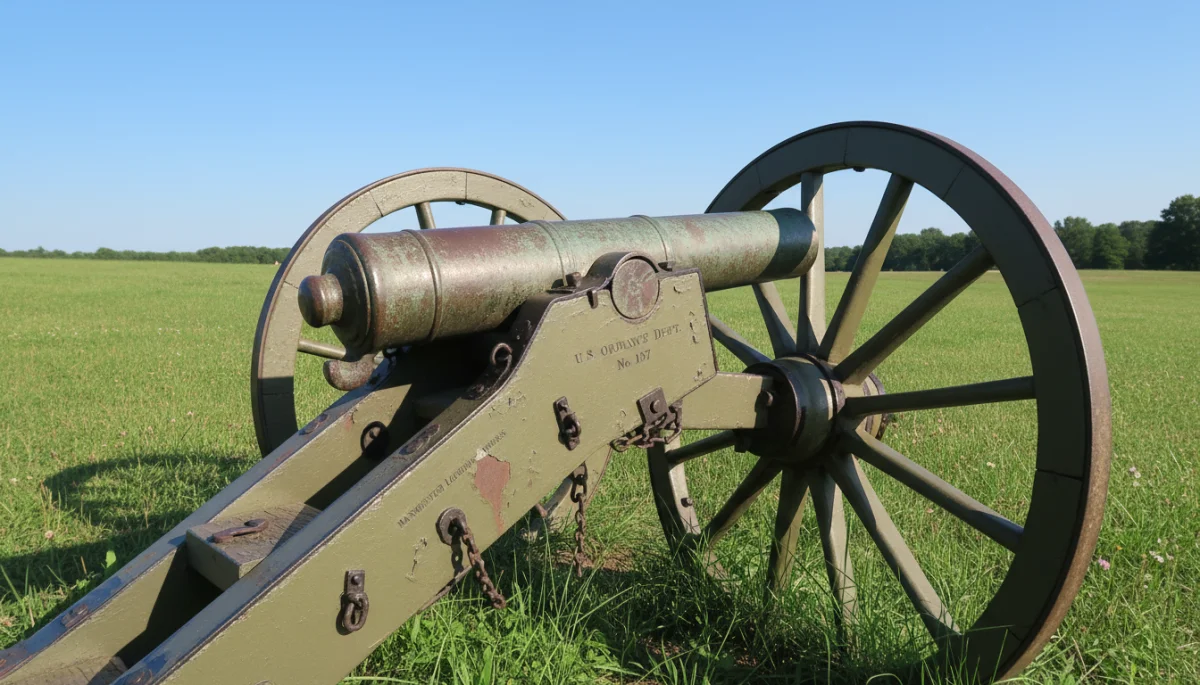
Vicksburg National Military Park: The Siege that Divided a Nation
Vicksburg National Military Park in Vicksburg, Mississippi, preserves the site of the Vicksburg Campaign and Siege (1863), another critical turning point in the Civil War. The Union victory here gave them control of the Mississippi River, effectively splitting the Confederacy and significantly impacting the war’s outcome. The park is characterized by its extensive network of trenches, forts, and monuments.
Visitors can explore the USS Cairo Gunboat and Museum, a preserved Union ironclad, and drive the 16-mile tour road that traces the siege lines. The topography itself reveals the strategic genius and brutal realities of trench warfare.
Challenges and Innovations in Vicksburg’s Preservation
Preservation at Vicksburg faces unique challenges due to its location on the bluffs overlooking the Mississippi River, including erosion and the impact of climate change. The NPS employs innovative techniques to stabilize the terrain and protect its numerous monuments.
These efforts include extensive archaeological surveys, hydrological studies, and the use of modern engineering to manage the natural forces impacting the park. The focus is on ensuring the long-term stability of the historic earthworks and monuments.
- Erosion Control: Implementing strategies to combat soil erosion along the bluffs and within the trench systems.
- Monument Restoration: Repairing and maintaining the hundreds of monuments erected by various states and units.
- Archaeological Research: Conducting ongoing excavations to uncover new artifacts and insights into the siege.
Vicksburg’s preservation efforts demonstrate a commitment to adapting to environmental challenges while maintaining the integrity of a site that witnessed such pivotal historical events.
Educational Outreach and Visitor Experience in 2026
In 2026, National Battlefield Parks continue to evolve their educational outreach and visitor experiences, leveraging technology to enhance learning while preserving historical authenticity. The goal is to engage a diverse audience, from casual tourists to academic researchers, in meaningful ways.
Interactive exhibits, augmented reality tours, and virtual reality reconstructions are becoming more prevalent, allowing visitors to visualize battle scenes and understand the human stories behind the conflicts. These technological advancements complement traditional interpretive programs, providing a richer, more accessible experience.
Enhancing Accessibility and Engagement
Accessibility is a key focus, ensuring that all visitors, regardless of physical ability, can experience the parks fully. This includes improved pathways, accessible facilities, and digital resources that can be accessed remotely.
- Digital Storytelling: Utilizing podcasts, online videos, and interactive maps to provide context before, during, and after visits.
- Youth Programs: Developing engaging educational programs specifically for younger audiences, fostering a love for history.
- Community Partnerships: Collaborating with local schools, historical societies, and veteran groups to expand outreach.
- Multilingual Resources: Offering interpretive materials in multiple languages to accommodate international visitors.
By embracing these innovations, National Battlefield Parks are not just preserving the past; they are actively shaping how future generations connect with and learn from it.
The Future of Battlefield Preservation and Interpretation
The future of National Battlefield Parks involves continuous adaptation to new challenges, from climate change impacts to evolving societal interpretations of history. Preservation efforts are becoming more sophisticated, integrating advanced scientific methods with traditional conservation practices.
Interpretation is also evolving, moving beyond purely military narratives to include the broader social, economic, and cultural contexts of the conflicts. This holistic approach provides a more complete and nuanced understanding of these pivotal periods in American history.
Emerging Trends in Preservation
New technologies and interdisciplinary approaches are driving innovative preservation strategies. Remote sensing, drone technology, and advanced material science are being employed to monitor sites, detect degradation, and restore artifacts with greater precision.
Furthermore, there’s a growing emphasis on landscape-scale conservation, recognizing that the battlefields are part of larger ecological and cultural systems. This involves collaborations with adjacent landholders and regional planning initiatives to protect viewsheds and natural resources beyond park boundaries.
- Climate Resilience: Developing strategies to protect sites from extreme weather, rising sea levels, and other climate-related threats.
- Community Engagement: Involving local communities more deeply in preservation planning and interpretive programming.
- Digital Archiving: Creating comprehensive digital records of artifacts, landscapes, and historical documents for research and public access.
The ongoing commitment to these sites ensures that the stories of America’s past remain vibrant and relevant, continuing to inform and inspire future generations.
| Key Battlefield Park | Historical Significance & Preservation Focus |
|---|---|
| Gettysburg | Turning point of the Civil War; focus on viewshed protection and artifact conservation. |
| Antietam | Bloodiest single day; focus on agricultural preservation and water quality. |
| Vicksburg | Control of Mississippi River; focus on erosion control and monument restoration. |
| Overall Mission | Educating future generations through authentic historical and ecological preservation. |
Frequently Asked Questions About National Battlefield Parks
The primary purpose is to preserve significant historical sites where major military conflicts occurred. These parks aim to educate the public about these events, honor those who served, and maintain the integrity of the landscapes for future generations to explore and understand.
Parks employ careful visitor management strategies, including designated pathways, educational programs, and digital resources, to minimize impact. Preservation efforts focus on maintaining historical authenticity while providing accessible and engaging experiences for millions of visitors annually.
Technology is crucial for monitoring sites, combating erosion, and enhancing visitor engagement. Tools like remote sensing, drones, augmented reality, and virtual reality help in precise preservation, historical reconstruction, and making complex histories more accessible and interactive.
While military conflicts are central, the interpretation at these parks extends to broader social, economic, and cultural contexts. They explore the lives of civilians, enslaved people, and the long-term impacts of war on society, offering a more comprehensive historical narrative.
Individuals can contribute by visiting the parks, supporting park foundations, volunteering, and adhering to park regulations. Advocating for funding and awareness for historical preservation also plays a vital role in safeguarding these irreplaceable national treasures for future generations.
Conclusion
The 2026 deep dive into three National Battlefield Parks—Gettysburg, Antietam, and Vicksburg—underscores their irreplaceable role in understanding American history. These sites are more than just battlegrounds; they are complex ecosystems of memory, ecological value, and educational opportunity. Through dedicated preservation efforts, innovative interpretation, and sustained public engagement, these parks continue to serve as powerful reminders of our nation’s past, guiding us toward a more informed future. Their enduring legacy is a testament to the ongoing commitment to learn from history’s most profound moments.