15-Day Photography Road Trip Itinerary: Iconic US Landscapes
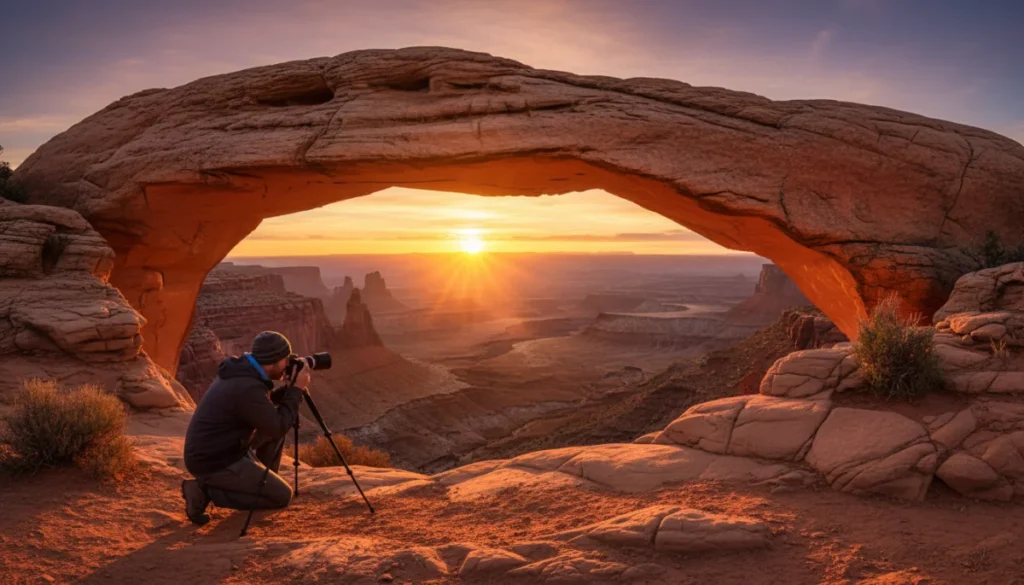
This article details a meticulously planned 15-day photography road trip itinerary for 2026, focusing on capturing America’s most iconic landscapes through strategic stops and practical photographic considerations.
Are you dreaming of an epic adventure, camera in hand, ready to immortalize the breathtaking beauty of the United States? This comprehensive guide outlines a meticulously crafted 15-day photography road trip itinerary for 2026: capturing America’s most iconic landscapes, designed to help you make the most of every sunrise and sunset. Prepare your gear, pack your bags, and get ready to embark on a visual journey unlike any other.
Planning Your Ultimate Photography Road Trip
Embarking on a photography road trip requires more than just a camera and a car; it demands careful planning and foresight. From selecting the right gear to understanding optimal lighting conditions, every detail contributes to the success of your photographic endeavor. This section will guide you through the essential preparatory steps to ensure your 15-day adventure is as productive as it is memorable.
Essential Gear Checklist
Before you hit the road, ensure your camera bag is stocked with the right equipment. Having the necessary tools can make all the difference in capturing those once-in-a-lifetime shots. Consider the diverse environments you’ll encounter, from desert canyons to mountain peaks, and pack accordingly.
- Camera Body: A reliable DSLR or mirrorless camera with good low-light performance.
- Lenses: A versatile zoom (e.g., 24-70mm), a wide-angle (e.g., 16-35mm) for landscapes, and a telephoto (e.g., 70-200mm) for wildlife and distant details.
- Tripod: Sturdy and lightweight for long exposures and sharp images in challenging light.
- Filters: Polarizer, neutral density (ND), and graduated neutral density (GND) filters are crucial for managing light and reflections.
- Batteries and Storage: Plenty of spare batteries and high-capacity memory cards.
Logistics and Preparation
Beyond gear, logistical planning is paramount. Researching your destinations, understanding weather patterns, and booking accommodations in advance can save valuable time and prevent unforeseen complications. Remember, the goal is to maximize your time behind the lens, not to stress about logistics.
Familiarize yourself with national park regulations regarding drones, tripods in certain areas, and permits for commercial photography if applicable. Always prioritize safety and respect natural environments. A well-planned route also allows for flexibility, ensuring you can adapt to changing conditions or unexpected photo opportunities.
Effective planning for your photography road trip involves meticulous gear selection and thorough logistical preparation. By addressing these elements upfront, you set the stage for a smooth and visually rewarding journey across America’s iconic landscapes.
Days 1-3: The Grandeur of the Southwest
Our journey begins in the vast and dramatic landscapes of the American Southwest, a region renowned for its vibrant colors, towering rock formations, and unparalleled photographic opportunities. This initial leg of the trip focuses on iconic national parks that promise to fill your memory cards with stunning imagery.
Zion National Park, Utah
Day 1 and 2 are dedicated to Zion National Park. Arrive in Springdale, Utah, and immerse yourself in Zion’s majestic canyons. Focus on capturing the Virgin River, the Narrows (if conditions permit), and the iconic Watchman. Sunrise and sunset offer incredible light, painting the sandstone cliffs in hues of orange and red. Utilize a wide-angle lens to emphasize the scale of the canyon walls and a telephoto for distant peaks.
- Morning: Riverside Walk, Pa’rus Trail for river reflections.
- Afternoon: Emerald Pools Trail, Canyon Overlook Trail for panoramic views.
- Evening: Watchman sunset from the Pa’rus Trail bridge.
Bryce Canyon National Park, Utah
Day 3 brings us to Bryce Canyon National Park, a natural amphitheater filled with an otherworldly collection of hoodoos. The unique geological formations offer endless compositional possibilities. Sunrise at Inspiration Point or Bryce Point is a must-do, as the light slowly illuminates the hoodoos, creating dramatic shadows and highlights.
Experiment with different perspectives, from wide landscape shots to tighter compositions focusing on individual hoodoos. The vibrant colors of the rock against a clear blue sky provide a striking contrast. Consider a short hike into the canyon, such as the Navajo Loop, to experience the scale from below.
The Southwest portion of our trip, encompassing Zion and Bryce Canyon, offers an intense photographic experience, showcasing the raw beauty and geological wonders of America’s desert landscapes.
Days 4-6: Arizona’s Iconic Vistas
Continuing our photographic odyssey, days 4 through 6 lead us into the heart of Arizona, a state synonymous with some of the most recognizable and awe-inspiring natural landmarks in the world. This segment is designed to capture the immense scale and intricate details of these legendary sites.
Grand Canyon National Park, Arizona
Days 4 and 5 are dedicated to the incomparable Grand Canyon. The South Rim offers the most accessible and iconic viewpoints. Plan for both sunrise and sunset at different locations to fully appreciate the changing light and shadows across this colossal chasm. Mather Point, Yavapai Point, and Hopi Point are excellent choices.
Utilize a wide-angle lens to convey the immense scale, but also pack a telephoto to isolate interesting geological features or distant buttes. Experiment with panoramas to capture the sweeping vistas. Remember to look for leading lines and strong foreground elements to add depth to your compositions.
Antelope Canyon and Horseshoe Bend, Arizona
Day 6 is a highlight for many photographers, featuring Antelope Canyon and Horseshoe Bend near Page, Arizona. Antelope Canyon, a slot canyon, is famous for its flowing sandstone walls and beams of light. A guided tour is required, and booking in advance is essential, especially for photography-specific tours.
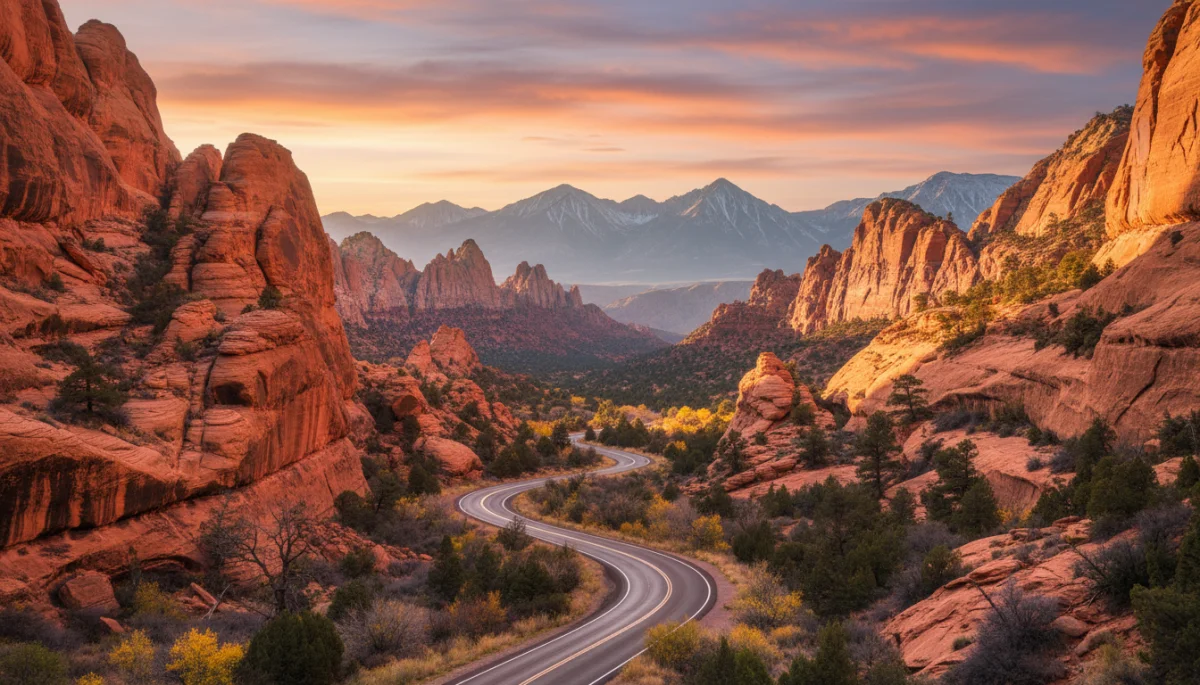
At Horseshoe Bend, capture the dramatic U-shaped curve of the Colorado River. This spot is best photographed in late morning or early afternoon for even lighting, though sunset can offer dramatic colors. Be mindful of safety, as there are no railings along the cliff edge.
Arizona’s segment of the road trip provides unparalleled opportunities for landscape photography, from the overwhelming scale of the Grand Canyon to the intimate beauty of Antelope Canyon and the iconic shape of Horseshoe Bend, each offering unique challenges and rewards for the dedicated photographer.
Days 7-9: California’s Diverse Beauty
Transitioning from the arid beauty of Arizona, days 7 through 9 bring us to California, a state celebrated for its incredible geographical diversity. This leg of the journey will take us from the desert floor to towering peaks, offering a completely different range of photographic subjects and challenges.
Death Valley National Park, California
Day 7 is spent exploring Death Valley National Park. Despite its forbidding name, Death Valley offers a surreal beauty perfect for photography. Zabriskie Point for sunrise is non-negotiable, offering sweeping views of eroded badlands. Mesquite Flat Sand Dunes provide excellent opportunities for abstract compositions and dramatic shadows, especially in early morning or late afternoon.
Consider visiting Badwater Basin, the lowest point in North America, for its salt flats. The stark, minimalist landscapes require a keen eye for composition and an understanding of light. Be prepared for extreme temperatures, especially during hotter months, and carry plenty of water.
Yosemite National Park, California
Days 8 and 9 are reserved for the majestic Yosemite National Park. Yosemite is a photographer’s paradise, famous for its granite cliffs, giant sequoia groves, and powerful waterfalls. Tunnel View offers the quintessential Yosemite panorama, best captured at sunset or during a clear morning light.
- Iconic Views: El Capitan, Half Dome, Yosemite Falls, Bridalveil Fall.
- Optimal Times: Sunrise and sunset for dramatic light; spring for vibrant waterfalls.
- Composition Tips: Use leading lines from rivers or roads; frame waterfalls with surrounding trees.
Explore Glacier Point for breathtaking views of Yosemite Valley, Half Dome, and the High Sierra. The Mariposa Grove of Giant Sequoias provides a unique opportunity to photograph ancient, colossal trees, requiring a wide-angle lens and patience for capturing their immense scale.
California’s segment of the trip showcases an incredible transition from the stark beauty of Death Valley to the verdant grandeur of Yosemite, providing a rich tapestry of landscapes for any photographer to explore and capture.
Days 10-12: The Pacific Northwest’s Wild Coastline
Our road trip continues its northward trajectory, leading us to the rugged and often moody coastline of the Pacific Northwest. Days 10 through 12 will immerse us in a world of dramatic sea stacks, ancient forests, and powerful ocean vistas, presenting a unique set of photographic opportunities.
Oregon Coast: Cannon Beach and Samuel H. Boardman State Scenic Corridor
Day 10 features the iconic Oregon Coast. Start at Cannon Beach, famous for Haystack Rock. Sunrise or sunset here provides stunning silhouettes and reflections on the wet sand. The misty atmosphere often found on the Oregon Coast adds a unique, ethereal quality to photographs.
Continue south along the coast to the Samuel H. Boardman State Scenic Corridor. This stretch offers numerous pull-offs with incredible views of natural bridges, sea stacks, and rugged cliffs. Secret Beach and Natural Bridges Viewpoint are must-stops, requiring short hikes to access the best photographic vantage points.
Olympic National Park, Washington
Days 11 and 12 are dedicated to Olympic National Park in Washington. This park is a UNESCO World Heritage site, boasting diverse ecosystems from glacier-capped mountains to temperate rainforests and wild coastlines. Focus on the Hoh Rain Forest for its lush, moss-draped trees and vibrant green hues. A wide-angle lens is essential here to capture the dense canopy.
- Coastal Photography: Ruby Beach, Rialto Beach for driftwood and sea stacks.
- Forest Immersion: Hall of Mosses in Hoh Rain Forest.
- Mountain Vistas: Hurricane Ridge for panoramic views of the Olympic Mountains.
The wild beaches of Olympic National Park, such as Ruby Beach and Rialto Beach, offer dramatic compositions with colossal driftwood and sea stacks. These locations are best photographed at low tide to reveal intricate patterns in the sand and tide pools. The Pacific Northwest segment provides a refreshing contrast to the earlier desert landscapes, offering a rich palette of greens, grays, and blues for your photographic collection.
Days 13-15: Montana’s Majestic Peaks and Farewell
As our incredible photography road trip draws to a close, days 13 through 15 take us to the majestic peaks and pristine wilderness of Montana, offering a grand finale to our journey through America’s most iconic landscapes. Glacier National Park stands as the crowning jewel of this final segment.
Glacier National Park, Montana
Days 13, 14, and 15 are entirely dedicated to Glacier National Park, often referred to as the ‘Crown of the Continent.’ This park is a paradise for landscape photographers, with its rugged mountains, pristine lakes, and active glaciers. The Going-to-the-Sun Road is an engineering marvel and offers countless photographic opportunities along its winding path.
Lake McDonald, with its colorful pebbles and surrounding mountains, is beautiful at any time of day, but especially during sunrise or sunset. Logan Pass, the highest point on the Going-to-the-Sun Road, provides access to stunning alpine meadows and views of glaciers. Be prepared for wildlife encounters, including bighorn sheep and mountain goats.
- Lake Photography: Swiftcurrent Lake, Lake Josephine, St. Mary Lake for reflections.
- Hiking Opportunities: Hidden Lake Overlook, Highline Trail for sweeping vistas.
- Wildlife: Keep a telephoto lens ready for mountain goats, bighorn sheep, and potentially bears.
Consider a sunrise shoot at Swiftcurrent Lake in Many Glacier for breathtaking reflections of the surrounding peaks. The diverse landscapes within Glacier National Park, from its serene valleys to its imposing mountains, offer a fitting conclusion to a journey focused on capturing the unparalleled natural beauty of the United States.
Reflecting on the Journey
As you depart from Glacier National Park and head towards your departure point, take time to review the thousands of images you’ve captured. This final segment in Montana not only provides spectacular photographic subjects but also a moment to reflect on the immense diversity and grandeur of America’s landscapes, immortalized through your lens.
The journey through Montana’s majestic peaks offers a spectacular conclusion to our 15-day itinerary, leaving photographers with a rich portfolio and indelible memories of America’s natural wonders.
| Key Itinerary Stop | Photographic Highlights |
|---|---|
| Zion & Bryce Canyon | Majestic canyons, unique hoodoos, dramatic sunrise/sunset lighting. |
| Grand Canyon & Antelope Canyon | Immense scale, slot canyon light beams, iconic Horseshoe Bend. |
| Yosemite National Park | Granite cliffs, powerful waterfalls, giant sequoias, panoramic views. |
| Glacier National Park | Rugged mountains, pristine lakes, active glaciers, diverse wildlife. |
Frequently Asked Questions About Photography Road Trips
For landscape photography, a full-frame DSLR or mirrorless camera, a wide-angle lens (16-35mm), a versatile zoom (24-70mm), a sturdy tripod, and essential filters like polarizers and ND filters are highly recommended. Don’t forget extra batteries and plenty of storage!
Research weather patterns for each location on your itinerary, especially for the time of year you plan to visit. Pack layers of clothing, waterproof gear for yourself and your equipment, and be flexible with your schedule to adapt to sudden changes.
Absolutely. An “America the Beautiful” annual pass covers entrance fees to all national parks and federal recreational lands for a full year. Given the number of parks on this itinerary, it will save you a significant amount of money.
The “golden hours”—shortly after sunrise and before sunset—offer the most magical light for landscape photography. The soft, warm light creates long shadows and brings out textures and colors beautifully. Overcast days can also provide diffused light, ideal for forests.
Invest in a padded camera backpack or case for transport. Keep gear away from extreme temperatures and moisture. When driving, secure your bag to prevent it from sliding. Regularly clean lenses and sensors, especially in dusty environments.
Conclusion
This 15-day photography-focused road trip itinerary for 2026 offers an unparalleled opportunity to immerse yourself in the diverse and iconic landscapes of the United States. From the dramatic canyons of the Southwest to the majestic peaks of Montana, each destination presents unique challenges and rewards for the dedicated photographer. By combining meticulous planning with a spirit of adventure, you are set to capture a stunning collection of images that tell the story of America’s natural grandeur. Remember, the journey itself is as important as the destination, so embrace every moment, every light change, and every unexpected vista.